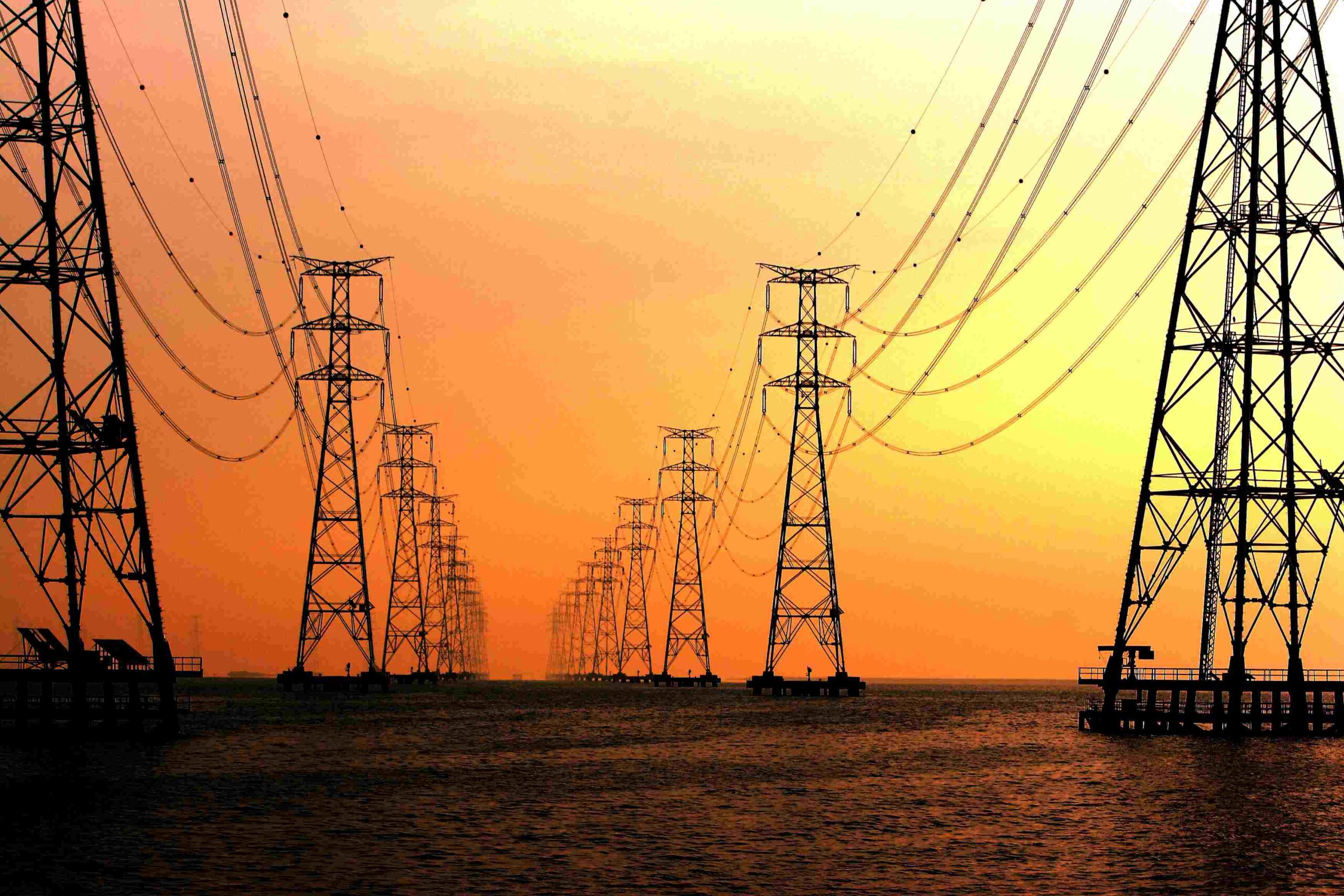
Kenya is once again staring at a costly legal and financial fallout from a long-running failed electricity contract, one that has already triggered a Sh10 billion award and could ultimately balloon to Sh30 billion. At the centre of the dispute is the state-owned Kenya Electricity Transmission Company (KETRACO) and a group of Spanish contractors involved in a stalled power transmission project dating back more than a decade.
What makes this case particularly troubling is not just the size of the award, but the unusual legal and financial circumstances surrounding the beneficiaries, including insolvency, multiple claimants, and compounding interest, which together create the conditions for Kenya’s liability to triple.


The Origin of the Failed Electricity Contract
The dispute traces back to contracts awarded around 2013 to Spanish firms, including Instalaciones Inabensa, for the construction of high-voltage transmission infrastructure linking Kenya to the regional grid. The project was part of a broader East African power integration initiative designed to improve electricity reliability and trade across borders.
However, the contract quickly ran into trouble. By 2016, KETRACO terminated the agreement, citing non-performance by the contractor. The Spanish firm disputed this termination, triggering arbitration proceedings.
In 2019, an arbitration tribunal ruled in favour of the contractor and awarded compensation running into tens of millions of euros, including damages and interest. This marked the beginning of a prolonged legal battle that would eventually escalate to Kenya’s highest court.
In October 2022, the Supreme Court of Kenya upheld the arbitration award, ordering KETRACO to pay approximately €37.6 million (about Sh10 billion) for breach of contract.
This ruling effectively cemented Kenya’s legal obligation under international arbitration frameworks, reinforcing the principle that governments must honour contractual commitments, even when projects collapse.
But while the figure of Sh10 billion appears definitive on paper, the actual financial exposure is far more complex.
Why the Bill Could Triple to Sh30 Billion
The risk of the payout escalating to Sh30 billion stems from a combination of legal, financial, and structural factors tied to the failed electricity contract.
The original contract involved not just one company but a network of related Spanish firms. According to reports, three different entities are now laying claim to the compensation.
This raises the possibility of multiple enforcement actions, where each entity seeks to recover its portion of the award or associated claims. If courts recognise these claims independently, Kenya could face cumulative liabilities rather than a single capped payout.
One of the most alarming aspects of the case is that at least one of the Spanish companies involved has already been declared bankrupt and dissolved.
This creates a paradox. Normally, insolvency would limit a firm’s ability to pursue claims. But in international arbitration and cross-border insolvency cases, creditors, administrators, or successor entities can step in to enforce awards.
Indeed, earlier court records show that some of these Spanish firms had entered insolvency proceedings as far back as 2017.
In such scenarios, claims can be sold, reassigned, or pursued by third parties, including banks and creditors, effectively multiplying the number of entities seeking payment.
Another key driver of the potential escalation is interest.
Legal awards, especially those arising from arbitration, typically attract compound or penalty interest over time. In this case, the dispute has dragged on for years, meaning the original €37.6 million could significantly increase as interest accumulates.
Evidence from earlier rulings shows that interest alone can add millions of euros to such awards.
By the time enforcement is completed, the total payable amount could far exceed the initial Sh10 billion—especially if multiple claims are upheld.
The enforcement phase of the dispute has already demonstrated how costly the situation can become.
Spanish contractors have pursued aggressive legal mechanisms, including attempts to freeze KETRACO’s bank accounts through garnishee proceedings.
At one point, 17 bank accounts linked to KETRACO were frozen, threatening the operational stability of Kenya’s electricity transmission system.
Such enforcement actions often come with additional legal costs, penalties, and operational disruptions—all of which add to the broader financial burden on the state.
The entry of third parties, such as banks, further complicates the situation.
For instance, Ecobank Kenya has sought to join the case, citing a separate claim of €3.8 million tied to the same arbitration framework.
This illustrates how a single failed electricity contract can trigger a cascade of financial obligations involving multiple stakeholders, each with legal standing to pursue compensation.
A Project That Never Delivered
Beyond the legal complexities lies a deeper concern: the value received by Kenyan taxpayers.
Court filings and investigations suggest that parts of the contracted infrastructure were either incomplete or never delivered, raising questions about procurement oversight and project management.
This means Kenya may end up paying billions for a project that failed to deliver its intended economic and energy benefits, a scenario that underscores systemic risks in large-scale infrastructure contracting.
The fallout from this failed electricity contract extends beyond the immediate financial liability.
KETRACO plays a critical role in transmitting electricity across Kenya and integrating regional power systems. Financial strain on the utility, especially through frozen accounts or large payouts, could disrupt maintenance, delay projects, and even threaten grid stability.
At a time when Kenya is increasingly relying on regional electricity trade and expanding renewable energy capacity, such disruptions carry significant economic consequences.
Governance and Policy Lessons
This case highlights several structural weaknesses in public infrastructure contracting.
First, it underscores the risks of engaging financially unstable contractors. Some of the Spanish firms involved were already facing financial distress, including bankruptcy proceedings, at the time of project execution.
Second, it exposes gaps in contract termination processes. Even when a contractor underperforms, improper termination can expose governments to substantial damages under international arbitration.
Third, it demonstrates the growing power of arbitration enforcement. Once an award is upheld by courts, including the Supreme Court, governments have limited room to manoeuvre.
The unfolding saga shows how a single failed electricity contract can evolve into a multibillion-shilling liability through a combination of legal rulings, financial distress, and enforcement mechanisms.
What begins as a Sh10 billion award can quickly escalate, through interest, multiple claimants, and third-party enforcement, to as much as Sh30 billion.
For Kenya, the case is more than a legal dispute. It is a cautionary tale about infrastructure governance, fiscal risk management, and the long-term consequences of contractual missteps.
As the legal process continues, the ultimate cost will be measured on broader impact on public finances, investor confidence, and the credibility of Kenya’s infrastructure development framework.
ALSO READ: Kenya Electricity Imports From Ethiopia Triples To Sh8.7b