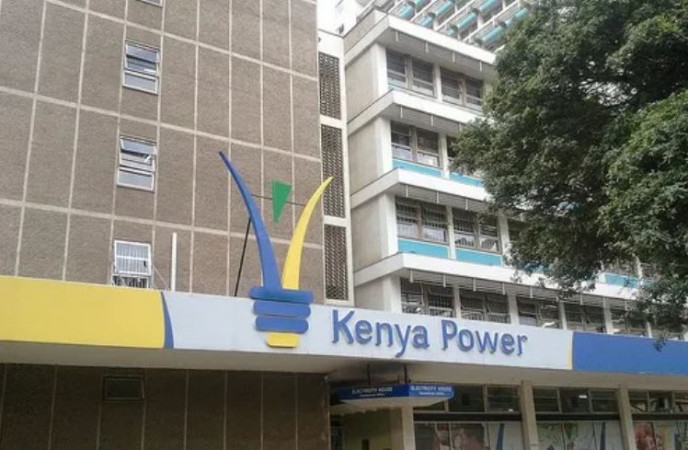
Kenyan households and industries are bracing for a fresh spike in electricity costs after Kenyan MPs directed the Energy and Petroleum Regulatory Authority (EPRA) to raise power tariffs to recover approximately KSh 30 billion used in rural electrification projects. The proposed upward adjustment, averaging KSh 4.78 per kilowatt-hour, will take effect in November, reflecting the combined influence of climbing fuel prices, foreign exchange losses, and a marginal increase in the water levy.
Under the new tariff structure, a typical household consuming 50 units a month will pay an additional KSh 239 before taxes, marking yet another strain on consumers already grappling with a rising cost of living. The change comes against the backdrop of Kenya’s heavy reliance on imported fuel, drought-induced hydropower constraints, and an increasingly volatile global energy market.


But beyond the immediate financial burden on households, the tariff hike raises deeper questions about Kenya’s energy governance, the sustainability of reliance on imported fuels, and the long-term consequences on production, industrial competitiveness, and economic growth.
Why Kenyan MPs Ordered the Tariff Increase
The directive by Kenyan MPs stems from concerns that the Rural Electrification and Renewable Energy Corporation (REREC) faces a massive financial shortfall due to underfunded electrification projects. Over the years, REREC has extended electricity access to marginalised regions, connecting millions of households. However, the programme has been funded partly through power consumer levies, and the accumulating deficit, estimated at about KSh 30 billion, has become unsustainable.
By directing EPRA to increase tariffs, Parliament aims to cushion REREC from collapsing operations while securing resources for pending projects. The logic is that universal access to power remains a constitutional and developmental imperative. Yet the decision exposes consumers to higher costs at a time when disposable incomes are shrinking and many businesses are struggling for survival.
The Components Behind the New Cost Structure
Although Parliament’s directive to fund the Rural Electrification and Renewable Energy Corporation (REREC) set the process in motion, the final tariff increase of KSh 4.78 per kilowatt-hour reflects multiple ongoing market pressures beyond rural electrification.
A major factor is the rising cost of imported fuel. Kenya depends heavily on thermal generation when hydropower output drops. With global crude prices climbing in recent months, the fuel cost charge (FCC) has increased, directly reflecting the higher expense of importing petroleum products used in electricity generation.
Foreign exchange fluctuations also play a significant role. The FERFA adjustment continues to rise as the shilling weakens against major currencies. Since Kenya purchases fuel and pays independent power producers in foreign currency, any depreciation of the shilling translates into higher electricity costs for consumers.
Reduced hydropower output further compounds the problem. Erratic rainfall has lowered water levels in dams, forcing Kenya to rely more on costly thermal power. This reliance not only increases generation costs but also contributes to a slight rise in the water levy applied to electricity bills.
Part of the tariff adjustment is aimed at addressing the long-standing rural electrification levy deficit. While this increment supports the expansion of electricity access to underserved areas, it effectively transfers the financial burden to current consumers, adding to their monthly electricity costs.
Public Outcry and Questions on Energy Governance
The decision to raise electricity tariffs has sparked widespread public frustration across Kenya. Many citizens see the move as yet another example of the government relying on reactive measures rather than addressing underlying issues in the energy sector.
A central concern is the country’s persistent dependence on expensive thermal power. When hydropower output falls due to erratic rainfall, the reliance on imported fuel for thermal generation pushes costs higher, directly impacting consumers.
Long-term power purchase agreements (PPAs) with independent power producers (IPPs) also draw criticism. These contracts often guarantee payments regardless of whether the electricity is needed on the grid, locking Kenya into significant financial obligations and limiting flexibility in managing costs.
Weak oversight and fragmented energy policies further exacerbate the problem. Coordination gaps between regulatory bodies, utility companies, and government agencies make it difficult to implement efficient and cost-effective solutions, leaving the burden of inefficiency on consumers.
At the same time, the slow adoption of cheaper renewable energy sources, such as solar and wind, prevents Kenya from taking advantage of more stable and cost-effective alternatives.
Kenyan MPs Have Ordered A Squeeze on Disposable Incomes
Electricity is not merely a utility; it is the backbone of family welfare. With declining purchasing power, higher tariffs will intensify the financial distress of thousands of low- and middle-income households.
The typical household consuming 50 units will pay nearly KSh 239 more, excluding VAT and other statutory charges. For larger families and urban households whose consumption ranges between 100 and 200 units, the increase will be substantially higher.
This squeeze comes alongside elevated food prices, rising transport costs, and high inflation. The cumulative effect threatens to push more families into energy poverty, forcing them to reduce consumption or revert to unsafe alternatives like kerosene and charcoal.
Implications for Production and Industrial Competitiveness
The impact of rising electricity tariffs stretches far beyond household budgets and touches nearly every corner of the economy. Energy is a fundamental input in modern production, powering manufacturing plants, transport systems, farms, and digital services alike. When electricity becomes more expensive, the entire economic ecosystem begins to feel the strain, setting off a chain of long-term consequences that can slow national development.
One of the most immediate outcomes is an increase in the cost of production. Many industries are already grappling with high operational expenses, and a further rise in electricity bills will inevitably push up the prices of goods. This reduces the competitiveness of Kenyan products, especially in regional markets where countries such as Ethiopia and Tanzania benefit from cheaper and more stable energy supplies.
Higher electricity costs also threaten to limit foreign investment. Investors in energy-intensive industries are particularly sensitive to the stability and predictability of power prices. When tariffs fluctuate frequently or rise unexpectedly, confidence in the market diminishes, discouraging potential investors from setting up manufacturing operations in the country.
These dynamics collectively slow down Kenya’s manufacturing growth. The country has set an ambitious goal of raising the manufacturing sector’s contribution to GDP from 7 per cent to 15 per cent, a target that hinges on reliable and affordable energy. For small and medium-sized enterprises engaged in sectors such as food processing, textiles, and construction materials, rising power costs make scaling operations increasingly difficult.
Agriculture, too, faces direct consequences from higher electricity tariffs. Irrigation, which is vital for boosting crop yields and mitigating climate-related disruptions, becomes more expensive. Agro-processing plants will also face higher energy bills, adding pressure to the food value chain and impacting both rural livelihoods and consumer prices.
Ultimately, rising electricity costs pose a threat to job creation. As operational expenses rise, many businesses respond by slowing hiring, delaying expansion plans, or even downsizing. This weakens Kenya’s labour market at a time when the country needs to create millions of jobs for its youthful population, further complicating long-term economic stability.
Long-Term Economic Consequences
If Kenya continues to rely on frequent electricity tariff adjustments without implementing meaningful structural reforms, the country risks weakening its industrial progress. Higher and unpredictable power costs make it difficult for manufacturers to scale production, slowing down the broader industrialisation agenda that is central to economic transformation.
This pattern also threatens Kenya’s export performance. When the cost of producing goods rises, local products become more expensive in regional and international markets, reducing their competitiveness and shrinking the country’s export earnings over time.
Additionally, Kenya’s position in the East African region could erode as neighbouring economies with more stable and affordable energy systems attract investors looking for predictable operating environments. Higher tariffs, combined with policy uncertainty, risk pushing industries to countries offering better energy incentives.
Frequent tariff changes also contribute to stagnant job growth. As businesses face rising operational expenses, many delay expansion plans, freeze hiring, or reduce their workforce in an attempt to remain financially viable. This slows employment creation at a time when millions of young people are entering the labour market.
Beyond economic concerns, persistent energy cost increases can heighten public frustration. When households and businesses feel overburdened, social tension grows, creating fertile ground for political instability and eroding public trust in institutions tasked with managing the energy sector.
For these reasons, the latest tariff increment is more than a routine financial adjustment. It marks a pivotal moment that forces Kenya to confront the limitations of its current energy model and decide whether it will pursue deeper reforms that align with its long-term developmental ambitions.
Reform, Renewable Expansion and Policy Discipline
The directive by Kenyan MPs may help plug the immediate financing gap facing rural electrification, but it also highlights the urgent need for deeper structural reforms in the energy sector. Without comprehensive changes, Kenya risks cycling back into the same pattern of deficits, tariff hikes, and public frustration.
One key priority is the need to scale up renewable energy sources. Kenya has enormous potential in solar, wind and geothermal power, resources that are far cheaper and more stable over the long term compared to fuel-based thermal generation. Expanding these renewable capacities would help cushion the country from global oil price volatility and reduce the pressure that frequently forces tariff adjustments.
Another critical reform area is the renegotiation of power purchase agreements. Several existing PPAs commit Kenya to paying independent power producers even when the electricity they generate is not required on the grid. These take-or-pay contracts are costly, and renegotiating the most expensive ones could free up significant savings that would ultimately benefit consumers.
Strengthening governance within Kenya Power is equally essential. The utility has long been plagued by inefficiencies ranging from procurement challenges to weak financial management systems. Addressing these institutional weaknesses would reduce operational wastage and curb the tendency to pass unnecessary costs to consumers through tariff increases.
Kenya must also reconsider its exposure to foreign exchange risks. A large share of power sector contracts, particularly with IPPs, is dollar-denominated. As the shilling weakens, these contracts become more expensive, automatically inflating consumer tariffs. Reducing reliance on dollar-based agreements would help insulate the sector from volatile currency movements.
Finally, the country needs transparent and predictable funding mechanisms for rural electrification. Instead of relying on abrupt tariff hikes to fill financing gaps, Parliament should establish stable, well-planned approaches that support electrification without overburdening consumers. This would ensure long-term sustainability in the expansion of electricity access while preventing future funding crises.
The tariff increase directed by Kenyan MPs reflects a difficult balance between rural electrification obligations and the realities of a strained energy sector. While the adjustment may temporarily stabilize financing for critical infrastructure, it adds pressure on households and industries at an economically fragile time.
In the long run, Kenya must break free from habitual tariff hikes and pursue structural energy reforms that lower production costs, stimulate industrial growth, and ensure electricity remains a tool for economic empowerment, not a barrier to development.
ALSO READ: More Agony As State Triples EPRA Levy