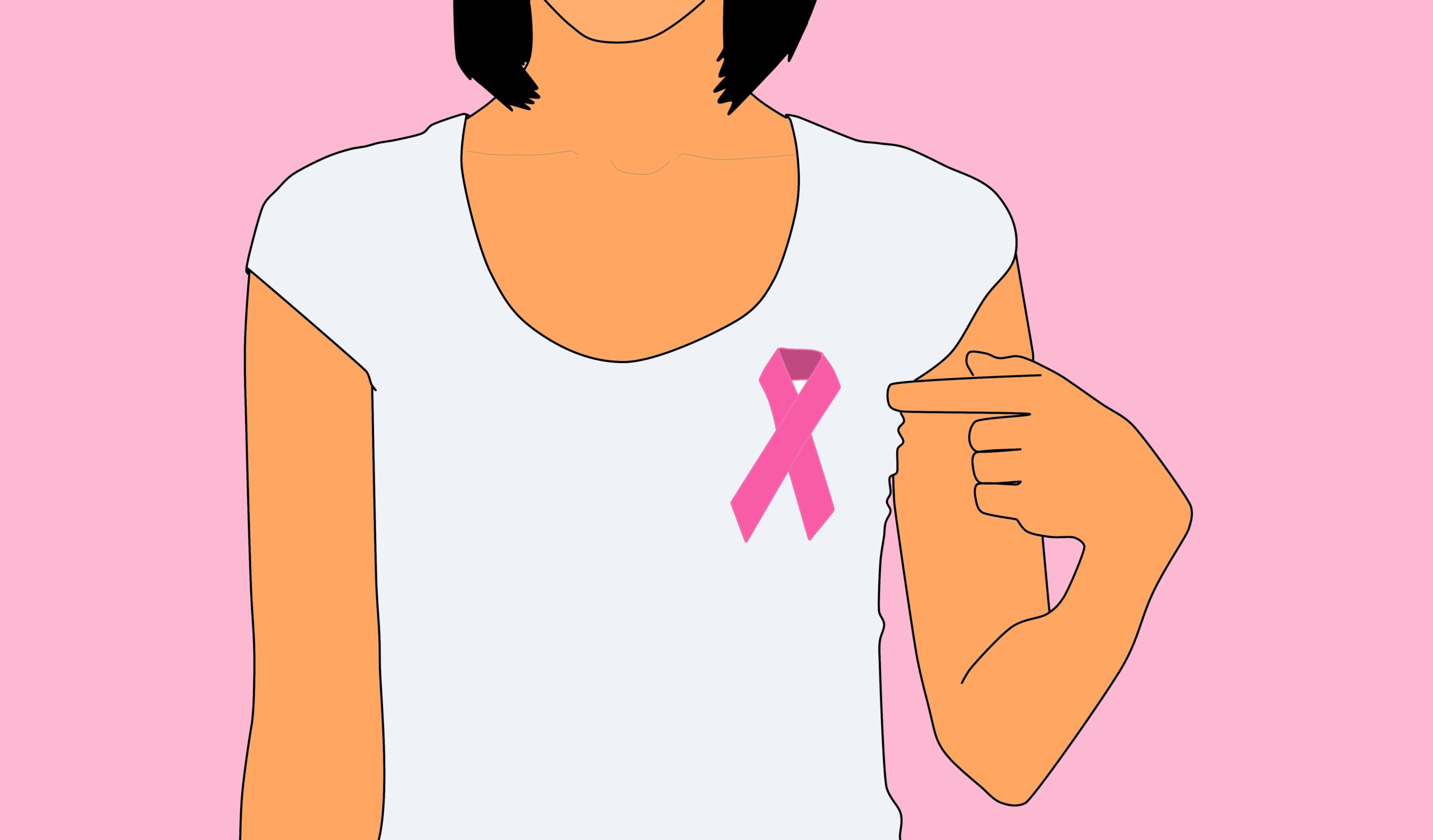
TVS Motor Company (TVSM), a global leader in two- and three-wheeler manufacturing, and the 2nd Chances Foundation ran an innovative breast cancer awareness drive. The campaign used familiar road signs and language to communicate breast cancer warning signs and encourage people to seek medical attention when they notice unusual changes.
Through short educational videos, the ‘Signs to Look Out For’ breast cancer awareness campaign explained breast changes that require medical attention and encouraged people to have them assessed without delay. The initiative ran throughout October, which is Breast Cancer Awareness Month.


The campaign comes as breast cancer remains the most commonly diagnosed cancer in Kenya. The International Agency for Research on Cancer’s GLOBOCAN 2024 estimates, published in July 2026, put the number of new breast cancer cases in Kenya at over 7,000 and deaths at over 3,000 annually.
Late diagnosis remains a significant challenge. In an October 2025 update, the National Cancer Institute of Kenya reported that 60-70 per cent of breast cancers in the country are diagnosed at stages three or four. It identified fear, misinformation and difficulty accessing diagnostic services among the barriers to timely care.
“Early breast cancer is curable. We want to encourage Kenyan women to get tested at least once a year. In addition, in Kenya, breast cancer manifests more in younger women when compared to Western nations, with 35-50 years as the age range when most people get a first diagnosis” said Dr. Gladwell Kiarie, President of The Kenya Society of Haematology and Oncology (KESHO).
“At TVS Motor, we are committed to building a more sustainable future while creating a positive impact on the communities we serve. As a mobility company, we understand the power of road signs in alerting people to potential dangers. By reimagining these familiar signs to highlight the early signs of breast cancer, we aim to make a life-saving message impossible to ignore. Our hope is that greater awareness will lead to earlier detection and better health outcomes for women,” said Madhu Prakash Singh, Vice President, International Business, TVS Motor Company.
Innovative TVS Campaign Uses Traffic Lights To Educate The Masses
The campaign pairs individual road signs with specific breast health messages. A “bump ahead” sign will draw attention to unusual lumps, while an “uneven road” sign will illustrate changes in breast size or shape. Traffic lights will serve as a reminder to notice changes to breast skin or nipples.
“Connecting a familiar sign to a breast health message gives us a simple way to start a conversation that people may otherwise avoid. We want those conversations to lead to medical advice when someone notices a change, including when it is painless,” said Waithera Kabiru, Founder and President of 2nd Chances Foundation.
The campaign also encourages men to participate in breast health conversations and support loved ones seeking care. Although uncommon, men can develop breast cancer too. The World Health Organization emphasises that early diagnosis, followed by timely treatment, improves breast cancer outcomes. Most breast lumps are not cancer, but an unusual lump should be medically assessed even when it does not hurt. Recognising breast changes does not replace recommended screening or clinical diagnosis.
Despite a positive policy approach to cancer and other infectious disease management, Cancer remains a going concern for the Kenyan government. The country loses 22,000 to 32,000 people every year to cancer. This has put a strain on resources and allocated budgets even as the country struggles to develop economically and infrastructurally to meet its Vision 2030 development agenda.
A significant percentage of the more than Ksh177 billion allocated to the Ministry of Health is gobbled up by cancer management, treatment, equipment purchase and treatment. This is why innovative breast cancer awareness campaigns like the ‘Signs To Look Out For’ will be key to raising awareness and make it easier for people to see the signs before they develop to unmanageable levels.
ALSO READ: Jubilee Health Insurance, Sikh Council of Kenya Launch Community-Based Medical Cover