
In many Kenyan homes, having a meal begins a packet of maize flour. For a mother in rural Nyanza or in Thika town, the choice often comes down to convenience and cost. That critical choice is the difference between family wellbeing, family health and avoidable sickness.
Maize flour is one of the most common ingredients for family meals across the country. Yet despite this, the cereals industry is grappling with safety concerns that have left consumers confused on what to do about their staple food.

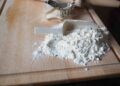
This is why the Cereal Millers Association (CMA), an association of millers and food processors, is championing the “Chagua Safe. Chagua Smart.” campaign to help Kenyan flour consumers to understand how safe maize flour is produced and why informed choices matter for households.
To produce a packet of maize flour, millers use numerous quality checks to ensure maximum safety and nutritional contents. This process begins with the sourcing of quality grain, testing contaminants, maintaining high hygienic standards during milling, and ensuring proper packaging of flour before it reaches the consumer.
Inside the mill, the maize grains go through a precise system built to separate the grain and the unwanted parts step by step. This ensures that the output is of high quality and safe for consumption. The milling process produces flour that is cleaner, more consistent and easier to fortify with vitamins and minerals. This closely monitored process ensures that the flour that is produced and sold to Kenyan households is safe and has the required nutritional contents to support families’ wellbeing.
When a shopper buys flour from a shop, they are often choosing a product that has passed through a more controlled system. They are choosing consistency, safety and nutrition that can be trusted. It is not about abandoning posho mills, but about understanding the value of flour made through precision milling when it is available.
The Hidden Risks Families Never See
Some food safety risks cannot be spotted by simply looking at maize flour. One of the hidden risks is aflatoxin contamination. Aflatoxin is a naturally occurring toxin that can develop when maize is not properly dried or is poorly handled after harvest. Long-term exposure to aflatoxins has been linked to serious health complications including liver disease and weakened immunity
It is for this reason that cereal millers are now investing heavily in testing every grain before it enters the production line. To ensure safety and compliance, CMA is urging households to purchase flour from reputable manufacturers and ensure proper storage to prevent moisture contamination.
Better Nutrition, Better Family Health
Maize flour that has been produced via the careful milling process contains important micronutrients such as iron, zinc, folic acid, and vitamins
These nutrients make a significant difference in ensuring consumers have access to the nutrients and vitamins they require for normal bodily functions.
For instance, Iron helps prevent anaemia by supporting the production of healthy red blood cells, this is key to helping young children to stay active, learn better and concentrate in school. Zinc plays a vital role in growth and development, strengthens the immune system and helps children recover more quickly from illness.
Folic acid supports healthy cell growth and is important before and during pregnancy because it helps protect babies from serious birth defects affecting the brain and spine. On their part, the B vitamins help the body convert food into energy while supporting healthy brain development, nerve function and overall wellbeing.
When children receive enough of these essential nutrients, their growth and development is streamlined, they are also to better resist infections and perform better in school. For adults, good nutrition supports productivity, energy levels and overall health.
Stronger Families Build a Stronger Kenya
Healthy children are more likely to learn, play and reach their full potential. Healthy parents miss fewer days of work, spend less on preventable illness and have more opportunities to invest in their families. Over time, those healthier families become healthier communities, and healthier communities build a stronger nation.
That is why food safety is more than a factory responsibility. It is a shared responsibility that begins with everyone involved in the food chain, from farmers and millers to retailers and consumers.
Every time a Kenyan household chooses safe, quality fortified maize flour, they are doing more than preparing dinner. They are investing in healthier children, stronger families and communities that are better equipped to thrive.
ALSO READ: Beyond the Price Tag: Why What Is Inside Flour Matters Too