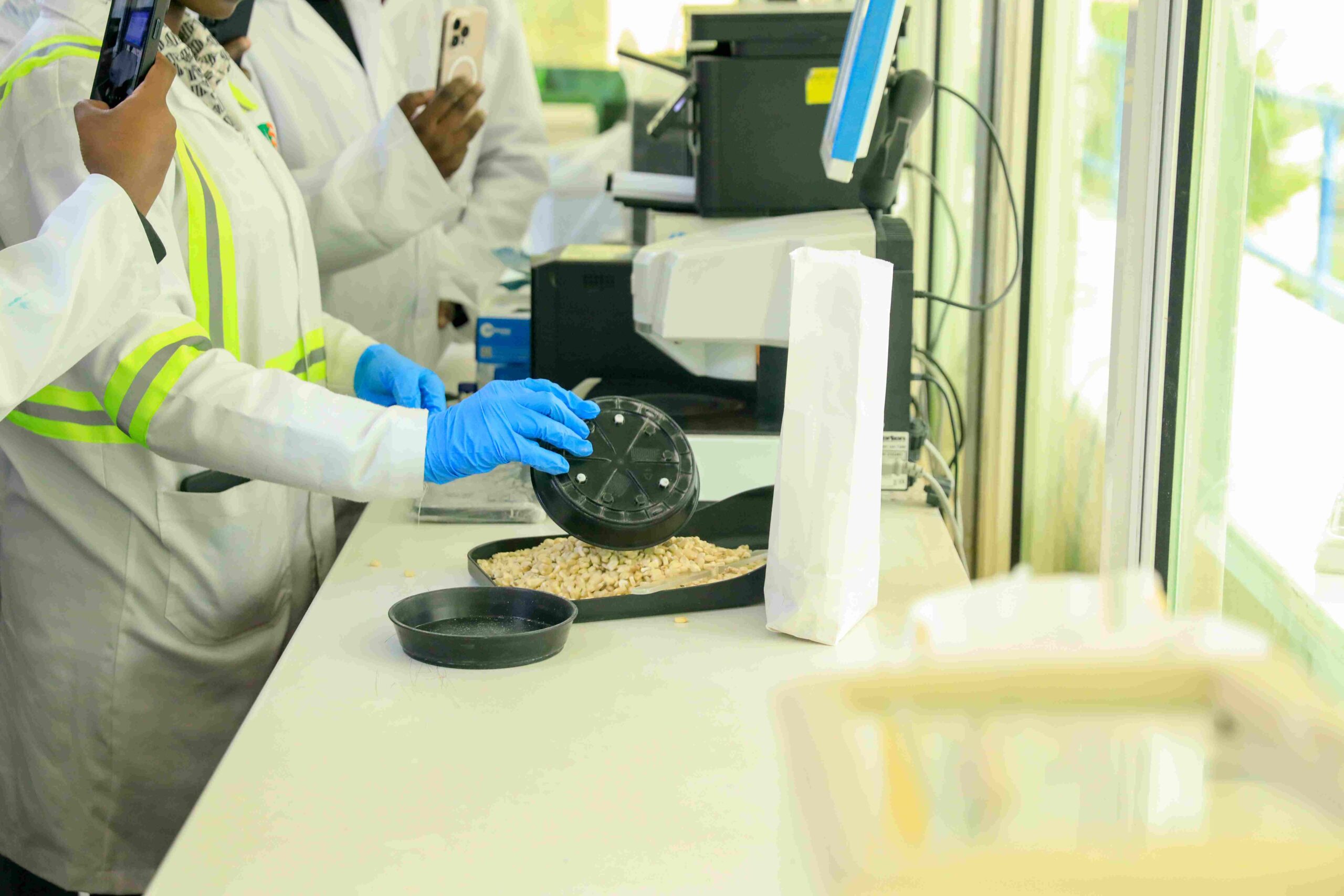
Maize flour is one of the most common ingredients in Kenyan households. When a mother buys maize flour for her family, she does it with a weight of expectation, knowing that whatever meal she prepares will play a big part in making sure children grow well, stay strong, and have enough energy for school and play. Maize flour, in its unprocessed form, lacks crucial micronutrients. This means that a meal would have to be complemented with other foods to fully nourish the body with required nutrients. This is why fortification matters.
Fortification happens during the milling process, where millers add essential vitamins and minerals to ensure that all nutrients lost during processing are restored to flour.

Inside the mill, at a small machine called the microfeeder, millers add tiny amounts of vitamins and minerals to maize flour. It is a step that is easy to miss, but its impact can reach millions of homes. This is one of the most important parts of the flour-making process.
The fortification process in milling begins with a verified and custom-made powder containing all the required minerals for maize flour. The key nutrients in the powder include iron, folic acid, zinc, vitamin A and B-vitamins. Using the microfeeder, millers dose the powder into the flour stream in careful amounts. The flour is then mixed continuously so that the nutrients are spread evenly throughout the batch.
Fortification helps close nutritional gaps where diets are limited. For a child who may not get enough iron or vitamin A from meals, fortified flour can offer an important and practical avenue to a healthy and nutritious diet.
The practical results of fortification are not hard to see. A child who gets the right nutrients is more likely to grow well, concentrate in class, and stay healthier. A mother who serves fortified maize flour may never see the microfeeder, but she feels its effect in the meals she prepares for her family.
The Cereal Millers Association (CMA), an association of millers and food processors, has launched a campaign to sensitize families and households on food safety and nutrition. The campaign also seeks to help the industry and households tackle aflatoxin, a naturally occurring poison that can develop when cereals are poorly handled or stored.
Why Fortification Matters For Packaged Flour
“Consumers who know what is in their food and why it matters are in a better position to make choices that support healthier families and stronger communities,” says CMA Chief Executive Officer Paloma Fernandes.
Kenya’s Foods, Drugs and Chemical Substances Act (Cap 254) mandates the fortification of packaged maize and wheat flour. That legal backing reflects an important truth: fortification is not a luxury. It is a public good.
“Chagua Safe. Chagua Smart” reminds us that safe food is not only about cleanliness and quality. It is also about nutrition and care. A few grams added at the mill may seem small, but across thousands of sacks and millions of meals, they can help protect a generation.
According to the World Health Organization (WHO), about 18% of children under the age of five were stunted in 2022. Despite this being a notable reduction from the 26% rate of stunting in children in 2014, it still represents an alarming statistic that needs to be urgently addressed. Stunting means a child is too short for their age because of extended poor nutrition and repeated illness. It affects the child’s height, learning, health, and has significant effects on how the child fits in amongst their peers and age mates.
Kenya’s food system faces more than one nutrition threat. The Kenya National Micronutrient Survey found that 26.3% of pre-school children and 41.6% of pregnant women are anaemic, while a large share of the population also suffers from zinc insufficiency. These statistics sadly translate into healthcare costs, missed productivity, and lost human potential for affected sections of the population.
In Kenyan households, ugali is eaten every day because it is affordable and the most common meal across all social classes in Kenya. Fortification is important because it ensures that the flour that families already use can carry all the essential minerals and nutrients without having to be substituted or heavily complemented with other meals to attain the required nutrients.