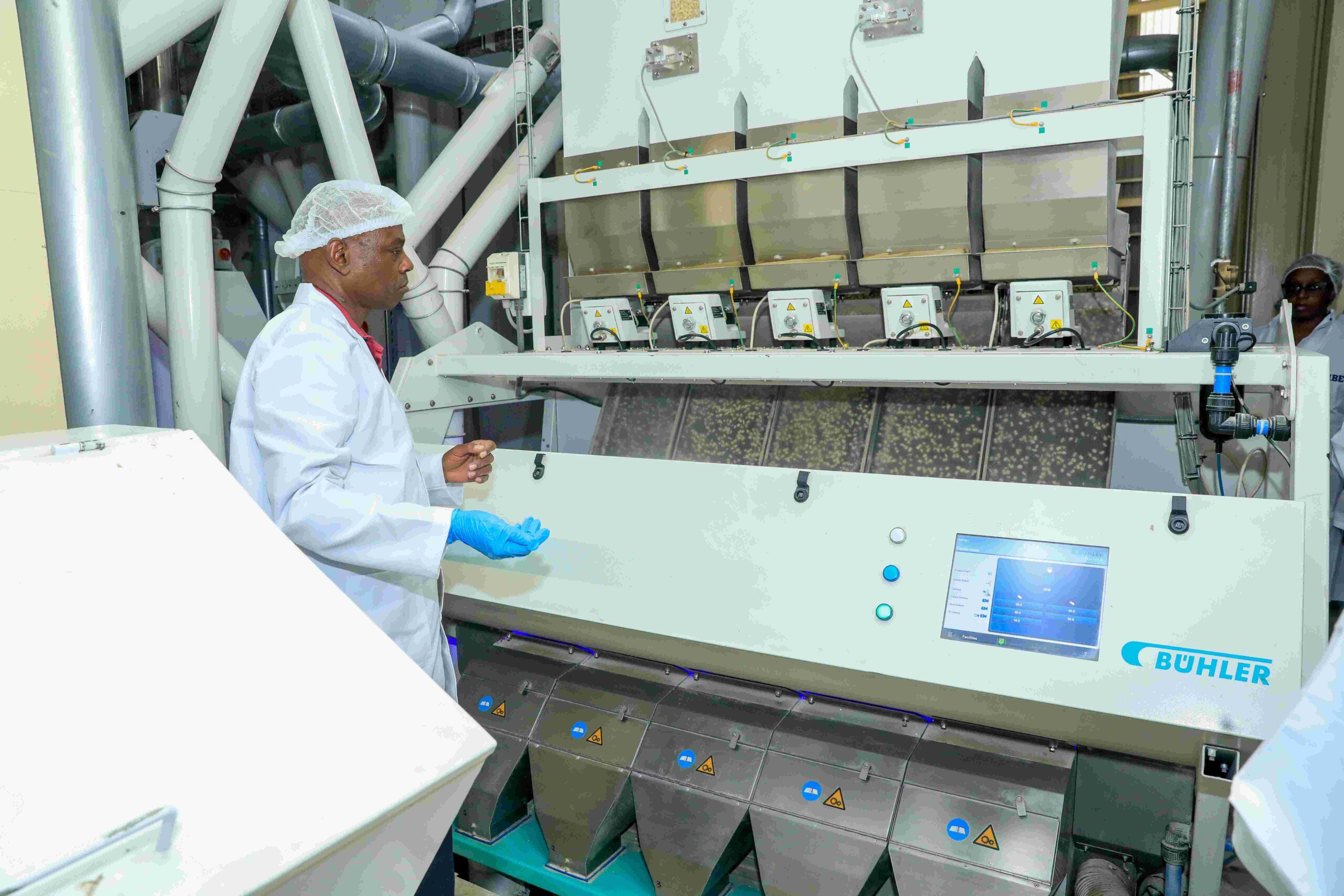
Most Kenyans would be surprised to learn that one of the most important stages in quality maize flour milling involves adding moisture before it is milled.
On the face of it, adding moisture sounds quite unusual. After maize has been cleaned and tested, adding moisture helps millers produce flour that is safer, more nutritious and more reliable in your kitchen.


After maize is received at the mill, it goes through strict checks for quality, moisture, pests and possible contaminants like aflatoxins. It is then cleaned to remove unwanted chaff, stones and any damaged kernels. After this stage, millers then add a carefully measured amount of water.
The maize is then left to rest for a set period of time before it is taken to the next stage. During the resting time, the added moisture will slowly move into the grain. The intake of moisture makes the outer bran layer firmer and the inner starchy part relatively softer and more flexible. Water addition is a controlled step that prepares each kernel for efficient and consistent milling.
This small change inside the grain has a big effect later on in the maize flour milling process and flour production.
When the maize reaches the rollers and sifters in the mill, the tougher parts of the grain peel away more cleanly from the softer endosperm because of the well-balanced moisture within the grain. This clean separation allows millers to produce finer, more uniform flour with less waste. It also helps preserve important nutrients that can be lost when separation is rough and uneven.
With carefully added moisture, the milling machines run more smoothly and experience less wear and tear because the grain behaves in a predictable way. That efficiency supports stable production, helps manage costs and contributes to keeping quality flour available on shop shelves.
Flour that is milled from well-conditioned grain has a consistent texture and performance. Ugali cooks evenly and bakers and small eateries can rely on the same results from one packet to the next.
Under the “Chagua Safe. Chagua Smart.” campaign, the Cereal Millers Association (CMA) is sensitizing the public on food safety and nutrition. The sensitization campaign includes opening up the milling process so that consumers can see what really happens behind the factory gates.
High Standards In Maize Flour Milling Ensure Food Safety
The campaign is encouraging Kenyans to look at that packet of maize flour with a bit more appreciation. Behind it is not just grain and machinery, but thoughtful work at every stage. Even the seemingly insignificant process of adding moisture plays a part in ensuring that the food on our plates is safe, nutritious and consistently gives us the minerals and vitamins required by our bodies.
Every stage in the maize flour milling process has a clear purpose on ensuring good quality and nutritious flour for consumers. Conditioning ensures that the grain separates evenly during milling and produces top quality flour that is ready for packaging. It is one more example of how modern milling brings together science, careful handling and strict quality control to produce safe food.
Flour also goes through an important process called fortification. This is where millers add essential vitamins and minerals to ensure that all nutrients lost during processing are restored to flour. This is one of the most important parts of the flour-making process.
Fortification helps close nutritional gaps where diets are limited. For a child who may not get enough iron or vitamin A from meals, fortified flour can offer an important and practical avenue to a healthy and nutritious diet.
The practical results of fortification are not hard to see. A child who gets the right nutrients is more likely to grow well, concentrate in class, and stay healthier. A mother who serves fortified maize flour may never see how it is done, but she feels its effect in the meals she prepares for her family.
After flour is milled and fortified, it is well packaged and labeled to ensure everyone that buys a package can view the nutritional contents and other packaging information including directions for storage and handling, date of manufacture, and date of expiry. Proper handling and storage directions help consumers to store the maize flour in the correct way and avoid exposure to possible contaminants like aflatoxins. This ensures the flour maintains its high quality and offers maximum benefits to households.
For many Kenyans, maize flour looks simple. Yet long before a packet reaches the shop counter, every kernel has passed through a series of checks and processes that most people never see. Grain intake and testing, cleaning, conditioning, controlled milling, fortification with vitamins and minerals and finally proper packaging. Each step is designed to protect health and deliver a dependable product.