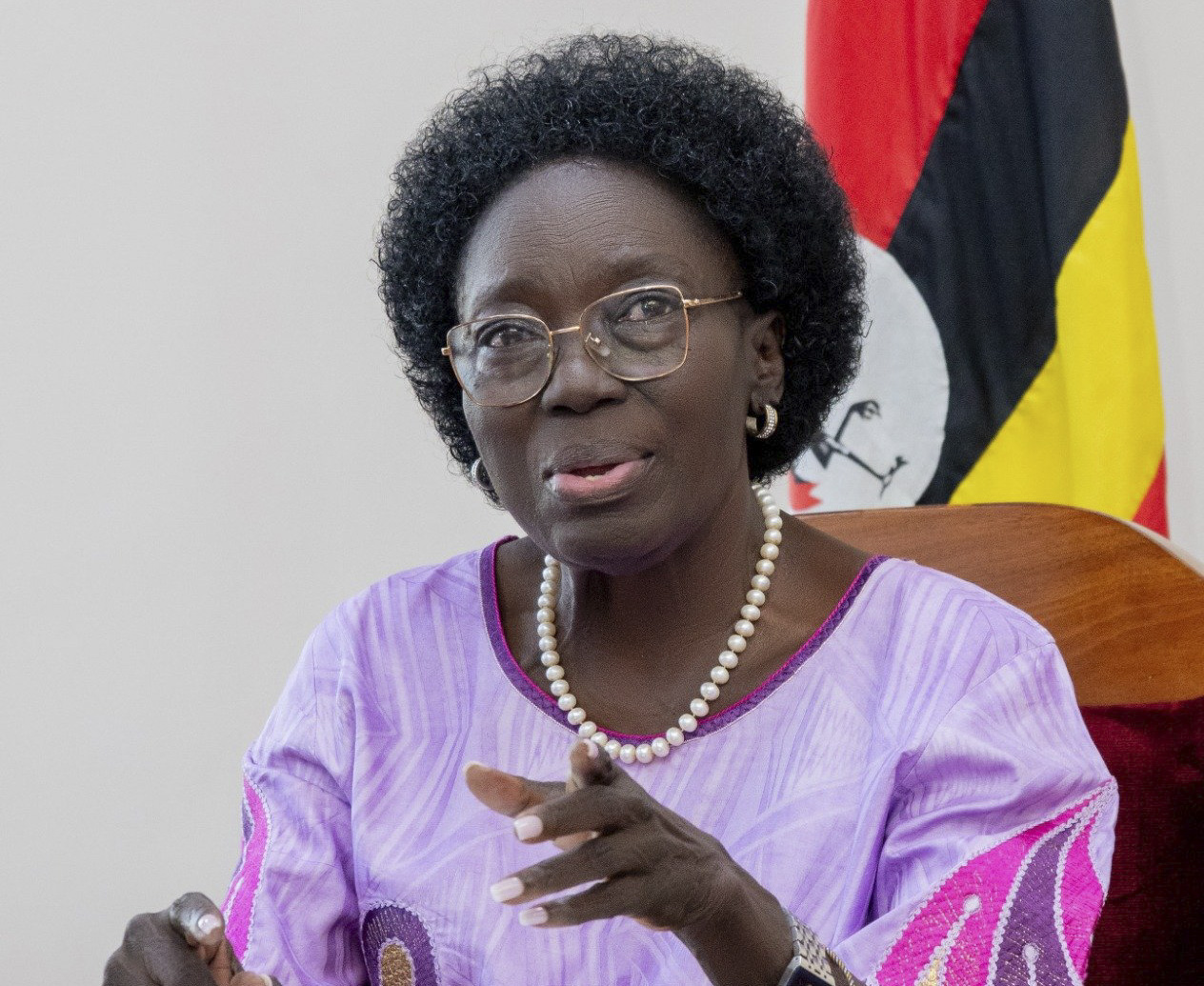
Uganda has ordered security agencies in eight border districts to stop citizens from crossing into Kenya to register as voters ahead of the 2027 General Election, and to arrest those who do. First Deputy Prime Minister Rebecca Alitwala Kadaga, who is also Minister for East African Community Affairs, issued the instruction while briefing the media on the state of security.
She told state agencies and local leaders in Bukwo, Moroto, Amudat, Namisindwa, Busia, Tororo, Namayingo and Buikwe to watch movement across the frontier.


“We should ensure that Ugandan citizens within those boundaries are not crossing to Kenya or otherwise involving themselves in political or electoral activities,” she said.
Kadaga added that Kampala wanted to distance itself from reports of such crossings, which she said offend national sovereignty and the rule that neighbours should not interfere in each other’s elections. She also rejected the idea that a person can hold Ugandan and Kenyan citizenship at the same time.
“You cannot vote both in Kenya and Uganda. So either you relinquish one and take another. You cannot be both. You cannot have allegiance to two countries,” she said.
The order follows a KTN News investigation, also covered by The Standard, that aired in late September. The report alleged that some Ugandan nationals were acquiring Kenyan identity cards and registering as voters, with the Suam border area in Trans Nzoia County at the centre of the claims. It further alleged that Kenya Integrated Election Management System kits and other registration materials had been moved across the border, and that a Directorate of Criminal Investigations officer who intercepted a vehicle on 18 April was later transferred after being told to drop the case.
Authorities’ Reaction After Uganda Orders Arrests Over Kenya Voter Registration
Kenyan institutions have rejected those claims. On 27 September the Independent Electoral and Boundaries Commission said stories of illegal registration, illegal transfers and the registration of foreigners “remain unsubstantiated and untrue.” It said no KIEMS kit had been misplaced, reported missing, intercepted or moved to an unauthorised place or foreign destination, and that no party or individual had supplied credible evidence.
On 28 September the DCI said there was “no such officer, no such arrest as portrayed and no such transfer linked to any electoral investigation,” and called the publication misleading.
Kadaga conceded that the media reports had not been verified. She said her government still saw reason to respond and to condemn the practice if it was happening.
Western Kenyan politicians, including Trans Nzoia Governor George Natembeya, had already treated the allegations as a live threat to the 2027 roll. Democratic Party leader Justin Muturi had asked the IEBC to summon Interior Cabinet Secretary Kipchumba Murkomen over remarks about border communities.
The practical effect of the Ugandan order is a tighter watch on a long, porous border where people, trade and family ties extend a ross borders. Busia and Tororo sit on the main road corridor. Uganda’s Amudat, Moroto and Bukwo regions cover the northern stretches toward Turkana and West Pokot in Kenya. Namisindwa and Namayingo sit farther south.
An instruction to arrest citizens for electoral activity on the Kenyan side does not, by itself, prove that any registration took place. It does show that Kampala is treating the allegation as a sovereignty issue rather than a Kenyan domestic dispute.
Only Kenyan citizens may register to vote. A foreign national who obtains a Kenyan identity card by fraud, or who is entered on the roll without lawful citizenship, commits an offence under Kenyan law. Uganda’s position adds a second legal risk on its own side of the border. Whether any arrests follow will depend on what security teams in those eight districts actually find.
ALSO READ: Uganda Police Deny Bobi Wine Abduction as Museveni Extends Poll Lead