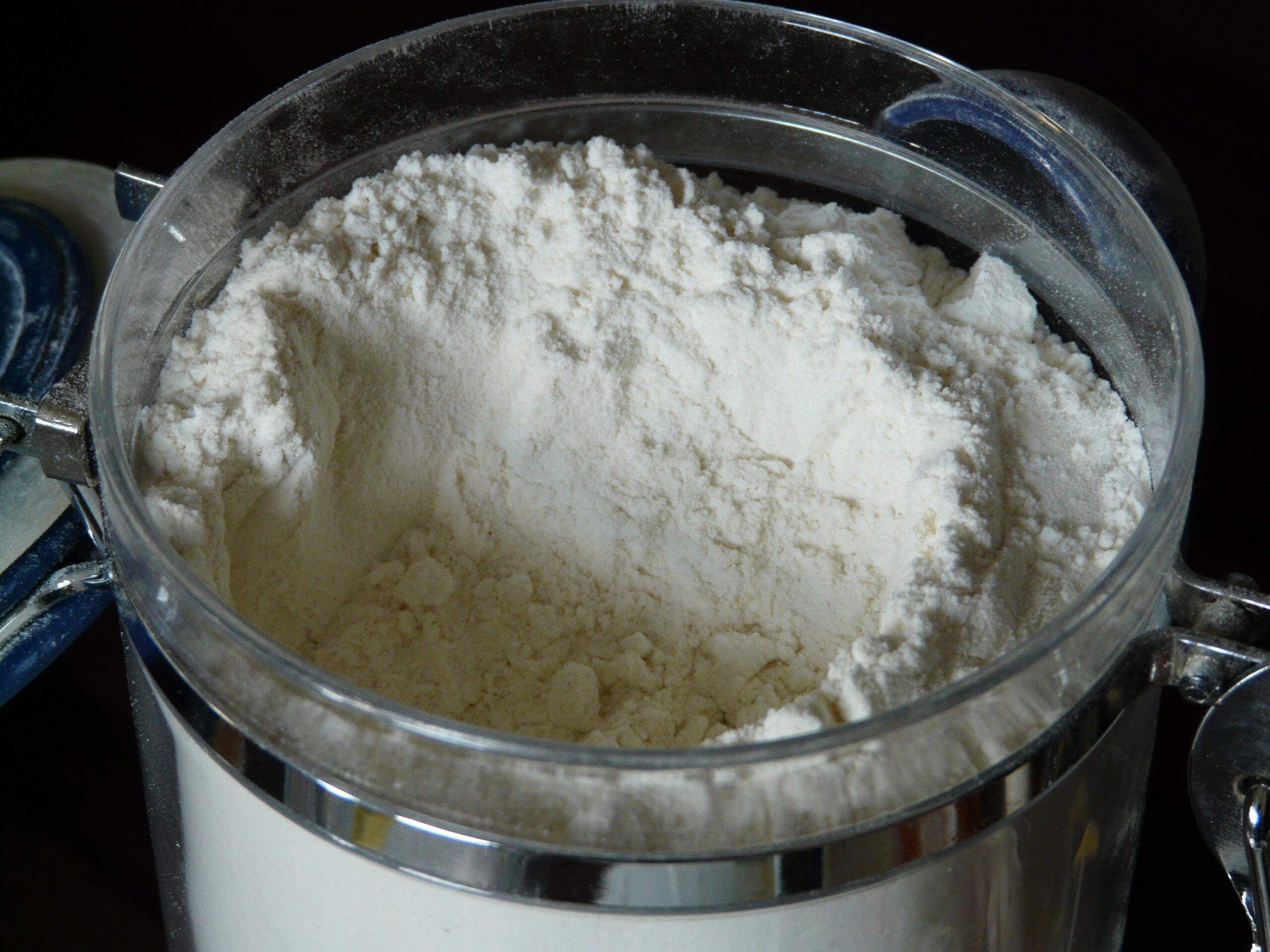
Maize is one of the most common dishes in Kenyan households. For years, it has been a mainstay on Kenyan tables where it has been widely used in preparing ugali, githeri and other popular dishes. In the recent past, however, there has been increased awareness of the flooding of contaminated flour and cereals on Kenyan shelves that has left many consumers worried about the food safety of their main dish and the effects of consuming aflatoxin-contaminated maize and cereals in general.
Testing gaps and informal market channels have been one of the most pressing challenges faced by regulators and industry players in the quest to address food safety shortfalls and ensure consumers are not exposed to aflatoxins and other contaminants in food.


It is against this backdrop that the Cereal Millers Association (CMA, an association of 62 millers and food processors, launched the “Chagua Safe. Chagua Smart.” campaign to educate households on food safety, flour fortification and the rigorous processes involved in producing packaged maize flour.
Here is all you need to know about aflatoxins in flour and how you can ensure the safety and nutritional quality of the flour you purchase from your local retailer or shop.
-
What is aflatoxin
Aflatoxin is one of a group of naturally occurring poisonous substances, known as mycotoxins, produced by certain types of mould or fungi.
Aflatoxins contaminate about 25 per cent of food crops worldwide and therefore pose serious health risks to both humans and animals. The toxic fungi that produce aflatoxin thrive in warm and moist places, including soil, grains, decaying vegetation, and hay.
-
How do you know that your flour is safe from aflatoxins, and how do millers ensure food safety?
Many Kenyans buy their flour from shops and from supermarket shelves; many also have no way of verifying the safety or nutritional contents of the flour they are purchasing.
CMA has put in place deliberate mechanisms to educate households on food safety, flour fortification and the rigorous processes involved in producing packaged maize flour.
Many consumers remain unaware of the extensive controls that commercial millers apply before flour reaches supermarket shelves.
The milling process begins with grain intake, where maize is tested for quality and screened for contaminants, including aflatoxins, before being accepted for storage. This first stage is designed to prevent unsafe grain from entering the food chain.
The second step involves cleaning, considered one of the most critical food safety control points. During this stage, dust, stones, damaged kernels and other foreign materials are removed before processing.
The grain is then conditioned, or tempered, by carefully adding water to achieve the moisture levels required for efficient milling. This helps improve milling performance and flour quality.
Milling itself forms the core of the process, converting maize into flour through a series of mechanical operations designed to achieve consistency and quality standards.
Following milling, flour undergoes fortification, another critical control point in the production chain. Essential nutrients such as iron, zinc, Vitamin A, folic acid and B vitamins are added in line with Kenya’s mandatory food fortification regulations.
Food fortification is widely regarded as one of the country’s most effective public health interventions because maize flour is consumed by a large proportion of the population across all income groups.
The final stage involves packaging and distribution, ensuring flour reaches consumers in a safe condition while maintaining quality standards throughout the supply chain.
-
What other foods are likely to be contaminated by aflatoxins?
Besides maize, rice, sorghum, millet and wheat are frequently contaminated by aflatoxins. Cassava, coconut and groundnuts are also regularly contaminated.
Cereal Millers Association Chief Executive Officer Paloma Fernandes says every Kenyan family deserves access to information that helps them make informed decisions about the food they consume.
-
Are aflatoxins deadly?
Aflatoxin consumption can be fatal, but resultant deaths are rare. According to the Food and Agriculture Organisation (FAO), large doses of aflatoxins can lead to an irreversible scarring of the liver, acute illness and death through liver cirrhosis.
In children, exposure can lead to stunted and delayed growth.
-
What can you do to avoid aflatoxin exposure?
CMA says increased awareness can play an important role in reducing exposure to food safety risks while supporting better nutrition outcomes for Kenyan families.
Through Chagua Safe. Chagua Smart., CMA aims to make food safety and nutrition part of everyday conversations in Kenyan homes. When consumers understand what is in their food and why it matters, they are better equipped to make choices that support healthier families and stronger communities.
The campaign seeks to encourage consumers to look beyond price when purchasing flour and to consider factors such as food safety testing, quality assurance and nutritional value.
Stronger enforcement, deeper industry collaboration, and greater consumer awareness will be key to rebuilding trust among the more than 40 million people who rely on cereals and flour for daily meals.
ALSO READ: Cereal Millers Association Pledges to Clean Up Kenya’s Flour Industry