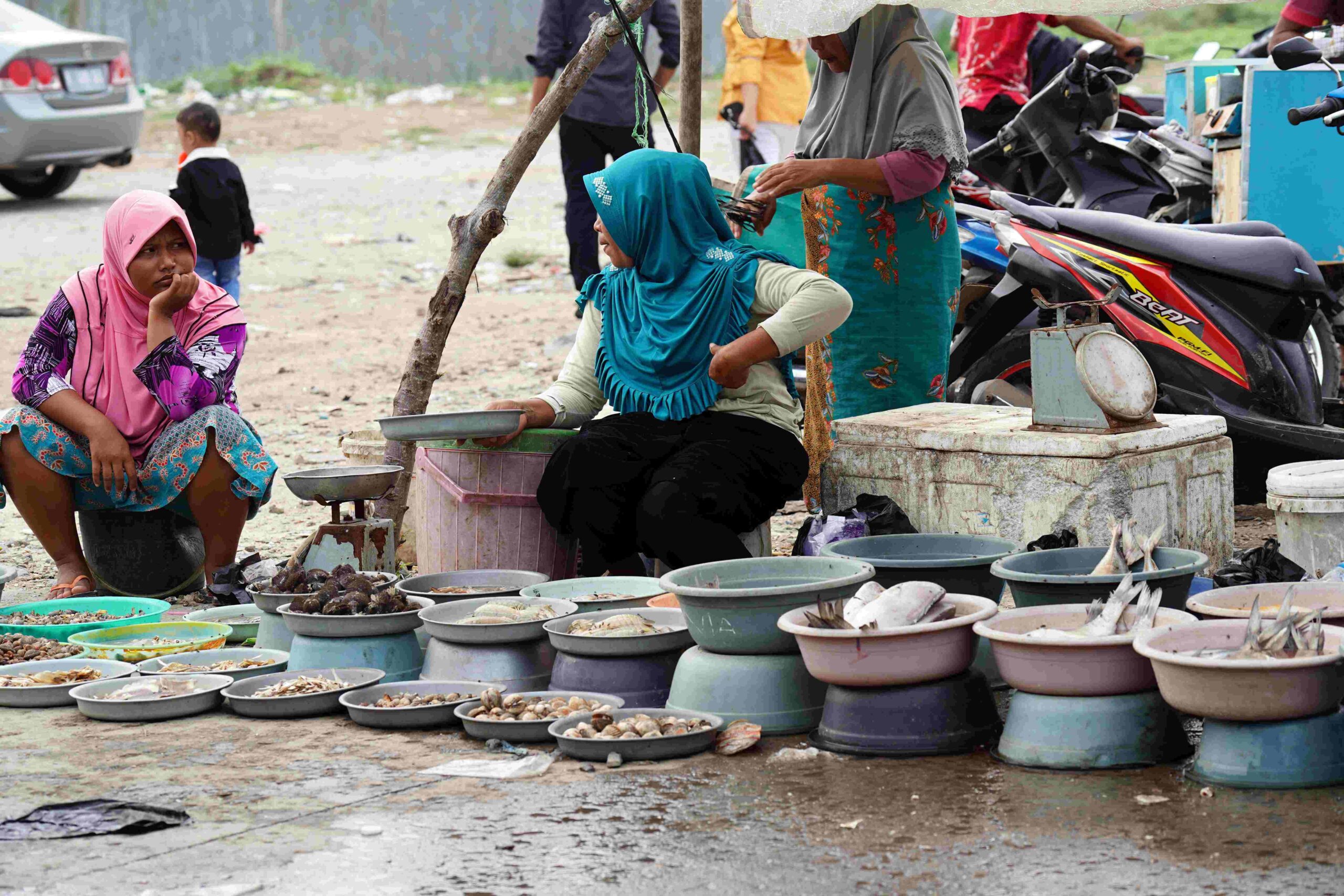
Rose Wanja, a concerned resident and community stakeholder from Kangemi, has formally petitioned the Directorate of Criminal Investigations over the ‘illegal occupation‘ of public walkways and road reserves within the area.
In a letter dated May 7, 2026, addressed to the DCI headquarters in Nairobi, Wanja raised concerns over what she described as continued obstruction of public spaces by illegal traders despite earlier efforts by authorities to restore order.


According to the complaint, the return of traders to public walkways has allegedly contributed to congestion, insecurity, sanitation challenges, blocked drainage systems, and growing tension among residents.
Wanja further cited alarming allegations surrounding statements reportedly encouraging traders to arm themselves with tools such as fork jembes for “protection,” warning that such remarks could escalate intimidation, confrontation, and public disorder within the community.
She also referenced a video recording allegedly showing Hamisi Maleya Hamisi making remarks related to the return and protection of traders occupying public spaces in Kangemi. Wanja called on investigators to independently verify the authenticity and contents of the recording and take appropriate legal action where necessary.
In her petition, she urged the DCI to investigate any possible incitement or mobilization that could threaten peace and public order and ensure that enforcement of the law is conducted fairly, peacefully, and within constitutional frameworks.
“We support lawful trade and economic empowerment of wananchi. However, all business activities must operate within legally designated areas and in compliance with the law for the safety and benefit of all residents,” the letter stated.
Rose Wanja Concerns On Urban Governance
The complaint was also copied to William Ruto, Johnson Sakaja, the Office of the Director of Public Prosecutions, the National Police Service, and the Ethics and Anti-Corruption Commission.
Rose Wanja appealed for urgent intervention to restore safety, accessibility, public order, and lawful use of public spaces within Kangemi.
The concerns raised by Rose Wanja reflect a wider urban governance challenge that has continued to affect Nairobi and other rapidly growing towns across Kenya. The dispute over informal traders operating on walkways and road reserves has become one of the most contentious planning and economic issues in the capital, where authorities often struggle to balance public order, livelihoods, and urban development.
According to the Kenya National Bureau of Statistics Economic Survey 2024, the informal sector accounts for more than 80 percent of total employment in Kenya, underscoring how millions of Kenyans rely on small-scale trade and hawking activities for survival. This economic reality has made enforcement operations politically and socially sensitive, especially in densely populated estates such as Kangemi where unemployment and cost-of-living pressures remain high.
Urban planning experts have repeatedly warned that uncontrolled street trading can create serious public safety concerns when it spills into road reserves, pavements, and drainage corridors. Research from the University of Nairobi found that street vending in Nairobi often leads to congestion, unsanitary conditions, obstruction of pedestrian movement, and difficulties in urban planning enforcement.
The debate has intensified in recent years as Nairobi County attempts to reorganize informal trade. In 2023, Nairobi County announced plans to relocate approximately 6,500 hawkers from the CBD into designated back lanes in an effort to restore order while protecting livelihoods. County officials acknowledged that the challenge is not simply about removing traders, but about creating structured and dignified trading spaces.
Kangemi itself has historically faced pressure from rapid population growth and informal economic expansion. Studies on Nairobi’s informal settlements show that areas around the city continue to experience high population density, inadequate infrastructure, and increasing strain on public services. Experts argue that such conditions often create conflict over limited public space, particularly where formal markets and designated trading zones are insufficient.
At the same time, analysts caution that enforcement operations must remain constitutional and avoid excessive force or politically charged confrontations. Past crackdowns on hawkers in Nairobi have occasionally led to accusations of harassment, corruption, and violent clashes between traders and authorities. This has made dialogue and lawful enforcement critical in preventing escalation.
The allegations highlighted by Rose Wanja regarding possible incitement and calls for traders to arm themselves are therefore likely to attract significant public attention, especially in light of Kenya’s laws on public order and incitement. Legal experts note that any statements perceived to encourage violence, intimidation, or unlawful occupation of public infrastructure could trigger investigations under public order and criminal statutes if sufficient evidence is established.
Observers say the situation in Kangemi also exposes deeper questions about urban planning in Nairobi. While residents demand clear walkways, improved drainage, and better sanitation, many traders insist they are simply trying to survive in a difficult economy. This tension has fueled ongoing public debate on whether county governments should invest more aggressively in modern markets, regulated vending zones, and structured small-business programs instead of relying primarily on evictions and crackdowns.
Attention is likely to remain on how authorities respond to the petition filed by Rose Wanja and whether investigations will clarify the allegations surrounding the alleged illegal traders and incitement claims in Kangemi.
ALSO READ: How Safisha KaNairo is Transforming Waste Management In Nairobi