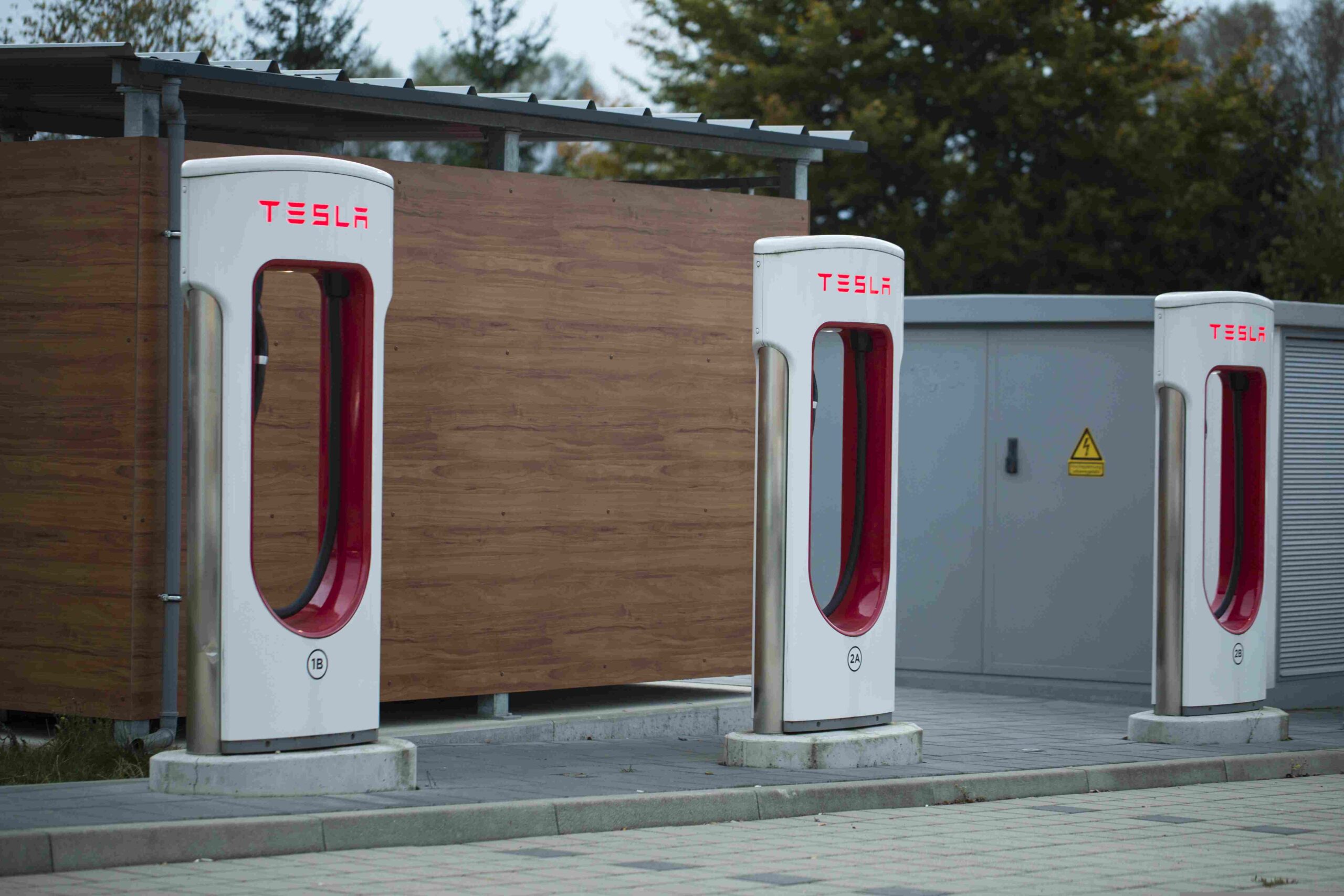
French energy giant TotalEnergies is accelerating Kenya’s transition to clean transport through the installation of new EV charging stations across the country, signaling growing confidence in the future of electric mobility in East Africa.
The company has now installed 30 EV charging stations in Kenya, including 28 charging and battery-swapping points for electric motorbikes and two charging stations dedicated to electric vehicles. The rollout has been implemented through strategic partnerships with Kenyan and regional e-mobility firms including Ampersand, Roam, and Arc Ride.


The expansion marks a major milestone in Kenya’s rapidly growing electric transport sector and further strengthens the country’s position as one of Africa’s leading electric mobility markets.
TotalEnergies has steadily expanded its EV charging stations network from just three sites in 2022 to 13 stations in 2023 before further scaling up in 2024 and 2025.
The company says the strategy leverages its existing fuel station infrastructure to support the country’s transition toward cleaner and more affordable transportation solutions.
Kenya has increasingly emerged as a strategic market for electric mobility due to its high share of renewable electricity generation. More than 90 percent of Kenya’s electricity mix comes from renewable sources including geothermal, hydro, wind, and solar energy, making electric vehicles significantly cleaner compared to fossil-fuel-powered alternatives.
EV Charging Stations Will Increase Charging Accessibility
Industry analysts note that the growth of EV charging stations is critical to addressing one of the biggest barriers to electric vehicle adoption — charging accessibility.
For years, concerns around charging infrastructure have slowed the uptake of electric cars and motorcycles in many African countries. However, the rise of charging hubs and battery-swapping stations is beginning to change the equation in Kenya, particularly for boda boda riders and urban delivery operators.
Data from Kenya’s Energy and Petroleum Regulatory Authority showed that electric vehicle registrations surged from 475 units in 2022 to 2,694 units in 2023, representing more than five-fold growth in just one year.
The majority of this growth has been driven by electric motorcycles, which are increasingly being adopted by commercial riders seeking lower operating costs amid persistently high fuel prices.
Electric boda bodas are becoming especially attractive because riders can save significantly on fuel and maintenance costs. Unlike conventional motorcycles, electric bikes have fewer moving parts and require less servicing. Battery swapping also reduces downtime since riders can exchange depleted batteries for fully charged ones within minutes.
Companies such as Ampersand, Roam, and Arc Ride are playing a central role in this ecosystem by developing locally adapted electric motorcycles and charging solutions tailored for African markets.
Roam has been expanding its charging infrastructure in Nairobi and other urban areas, including the rollout of fast-charging hubs for electric motorcycles and light vehicles.
Meanwhile, Ampersand has continued expanding its electric motorcycle operations in Kenya after achieving strong growth in Rwanda, where it became one of the leading electric motorcycle providers.
The growing investment in EV charging stations also aligns with Kenya’s broader climate and sustainability agenda. The transport sector remains one of the country’s largest contributors to carbon emissions, particularly in urban centers such as Nairobi and Mombasa where traffic congestion and aging diesel-powered vehicles contribute heavily to air pollution.
Experts argue that scaling up electric mobility could help Kenya reduce fuel import costs while improving air quality and energy security.
The United Nations Environment Programme has previously identified electric mobility as a key pathway toward reducing greenhouse gas emissions in African cities. Kenya’s largely renewable electricity grid gives the country a competitive advantage compared to markets still dependent on coal-powered electricity generation.
TotalEnergies itself has been aggressively positioning as a global player in electric mobility beyond its traditional oil and gas business. The company operates thousands of EV charging points across Europe and continues investing heavily in charging infrastructure globally.
In Kenya, the firm appears to be betting heavily on two-wheel electric transport as the fastest path toward mass adoption.
This approach makes economic sense given the enormous size of Kenya’s boda boda industry, which supports millions of livelihoods nationwide. The motorcycle transport sector consumes substantial volumes of petrol annually, meaning even modest electrification could generate significant savings and environmental benefits.
However, challenges still remain despite the progress.
Industry players and consumers continue to raise concerns about the limited availability of EV charging stations outside major urban centers, interoperability issues between battery-swapping networks, and the high upfront cost of electric vehicles.
Some users have also called for stronger government incentives, including tax breaks, subsidies, and public investment in charging infrastructure to accelerate adoption.
Still, the momentum behind electric mobility in Kenya continues to grow.
With companies like TotalEnergies investing in EV charging stations alongside local startups building innovative mobility solutions, Kenya is increasingly positioning itself as a regional leader in Africa’s clean transport transition.
As fuel prices remain volatile and pressure mounts globally to reduce carbon emissions, the expansion of EV charging stations could become one of the defining developments shaping the future of transport in Kenya over the next decade.
ALSO READ: Gulf Energy Exempt From Taxes In New Turkana Oil Extraction Deal