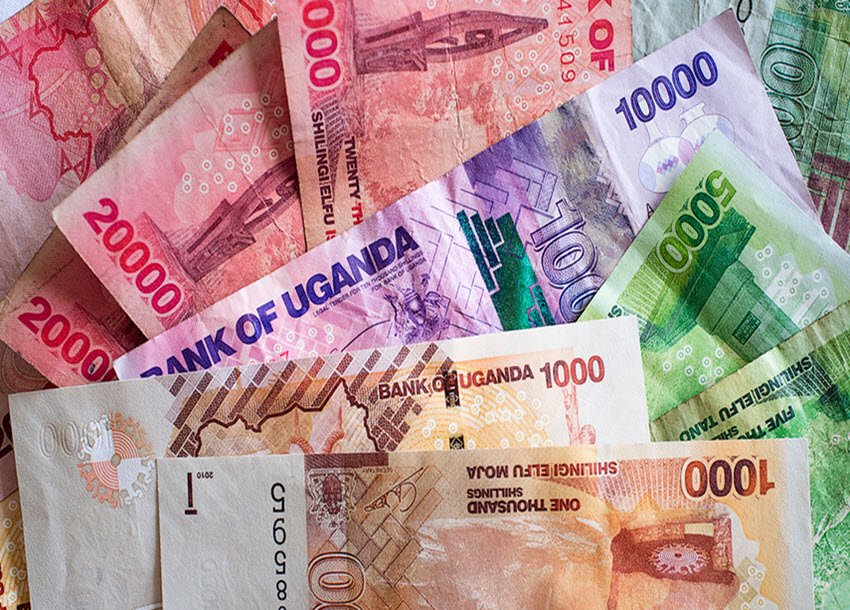
The Ugandan shilling has plunged to record lows against the United States dollar, crossing the USh4,100 mark in a sharp depreciation that is raising concerns about the cost of living, business operations and the country’s economic outlook.
The currency’s slide has accelerated in recent weeks, putting pressure on importers, manufacturers, energy companies and ordinary households already grappling with high living costs. Commercial banks quoted the shilling at approximately USh4,090 to USh4,100 per dollar in early October 2026, after the currency had traded around USh3,960 to USh3,970 a week earlier. The shilling has lost more than 11 per cent of its value against the dollar since the beginning of the year.


The latest depreciation exposes Uganda’s vulnerability to movements in international energy prices, the country’s demand for imported goods, fluctuations in export earnings and changes in global financial conditions. It also raises difficult questions about how the Bank of Uganda should respond without undermining foreign-exchange reserves or disrupting the wider economy.
Why the Ugandan shilling is falling so sharply
The immediate explanation lies in the imbalance between demand for dollars and the supply available in the foreign-exchange market. Businesses need dollars to pay for imports, settle international obligations and finance operations. When demand for foreign currency rises faster than the supply generated by exports, remittances, tourism and investment, the local currency comes under pressure.
The Bank of Uganda has identified several factors behind the recent depreciation, including stronger global demand for the dollar, changing international financial conditions, higher import costs and increased domestic demand for foreign exchange. The central bank has also pointed to weaker prices for some important exports, particularly coffee, alongside higher prices for imported petroleum products.
These pressures have converged at a particularly difficult time for the Ugandan economy. Energy companies, telecommunications operators and manufacturers require substantial foreign currency to maintain operations, while importers are competing for dollars to pay suppliers abroad.
Demand for dollars has been reinforced by businesses buying foreign currency ahead of the final-quarter holiday season. Such advance purchases has intensified pressure on the shilling when companies attempt to secure dollars before they become more expensive.
The result is a market in which the dollar has become more expensive, not necessarily because every aspect of Uganda’s economy has deteriorated, but because the immediate demand for foreign currency has outpaced available supply.
Global oil prices and the dollar’s growing strength
One of the most significant sources of pressure is the international energy market. Uganda relies on imported petroleum products to meet much of its current fuel demand, making the country vulnerable to increases in global oil prices and the cost of transporting fuel.
When oil prices rise, importers require more dollars to purchase the same quantities of petroleum. This increases demand for foreign currency at a time when the shilling may already be weakening.
The effects are compounded when shipping disruptions increase freight and insurance costs. A business importing fuel, industrial chemicals or machinery can face a double burden; a higher international purchase price and a weaker exchange rate.
The dollar’s broader strength adds another layer of difficulty. When global uncertainty encourages investors to favour dollar-denominated assets, capital can move towards markets perceived as safer. This can increase demand for dollars and place additional pressure on currencies in emerging and developing economies.
The Bank of Uganda has cited global financial conditions and capital flows among the factors influencing the shilling. Its explanation suggests that the current decline cannot be understood solely through domestic policy decisions; international developments are also affecting the price of foreign currency in Uganda.
However, external shocks do not eliminate the need to examine domestic economic conditions. The extent to which a country can withstand a stronger dollar depends partly on its export earnings, foreign-exchange reserves, investor confidence and ability to attract sustainable foreign currency inflows.
Uganda’s import bill is putting pressure on the shilling
Uganda’s dependence on imported goods remains a major factor in its exposure to currency fluctuations. When imports consistently require substantial foreign-currency payments, the economy must generate sufficient dollars through exports, tourism, remittances, investment and other external inflows to meet that demand.
The challenge becomes more pronounced when the cost of imports rises while earnings from key exports weaken. Coffee is particularly important because it is one of Uganda’s major sources of foreign exchange. When international coffee prices fall, or export receipts fail to grow sufficiently, the country may receive fewer dollars relative to its needs.
The Bank of Uganda has identified weaker prices for some key exports and higher prices for imports as contributing factors in the shilling’s recent decline.
The country’s merchandise trade position also matters. When payments for imported goods exceed receipts from exported goods, the resulting trade deficit must be financed through other foreign-exchange inflows. These can include remittances from Ugandans living abroad, tourism earnings, foreign investment and external financing.
A trade deficit does not automatically cause a currency crisis. Countries can sustain such deficits when they attract sufficient investment and other inflows. However, when dollar demand rises sharply or those inflows weaken, the foreign-exchange market can come under significant pressure.
For Uganda, the current challenge is therefore not simply to reduce imports. It is to strengthen the economy’s capacity to earn foreign currency while ensuring that the dollars needed for productive investment and essential supplies remain available.
How the falling shilling is driving up fuel prices
The most immediate consequence of a weaker shilling is the rising cost of imported fuel.
Even if international oil prices remain unchanged, fuel importers must spend more Ugandan shillings to acquire the dollars needed to pay overseas suppliers. When the dollar strengthens against the shilling at the same time that oil prices rise, the combined effect can be particularly severe.
Uganda’s Parliament raised concerns in October about the depreciation of the currency and the rising cost of petroleum products, with petrol and diesel prices reported in the range of USh6,800 to USh7,000 per litre in the debate. Lawmakers warned that the higher costs were affecting households, traders and businesses.
Fuel is not an isolated expense. It is an essential input in transportation, agriculture, manufacturing, construction and electricity generation. Higher fuel prices increase the cost of moving food from farms to markets, transporting merchandise between towns and operating machinery in factories.
Transport operators may respond by raising fares and delivery charges. Manufacturers can pass higher energy and production costs to consumers, while farmers may face more expensive transport, irrigation and other inputs.
This creates a ripple effect throughout the economy. Even Ugandans who do not purchase imported products directly can feel the consequences through higher prices for locally produced goods and services.
Inflation could erode household purchasing power
A weaker shilling can fuel imported inflation, particularly in an economy where businesses depend on foreign suppliers for finished products, equipment and industrial inputs.
When the exchange rate moves from USh3,700 to USh4,100 per dollar, for example, an importer who needs $10,000 must find USh41 million instead of USh37 million, assuming the exchange rates are applied directly and ignoring other transaction costs.
That is an additional USh4 million for the same dollar-denominated purchase. Businesses cannot always absorb such increases, especially when profit margins are narrow. Some will raise selling prices, reduce quantities purchased or postpone new orders.
The consequences can be particularly difficult for households whose incomes do not adjust as quickly as prices. Salaries, casual wages and small-business earnings may remain relatively stable while food, transport, household equipment and other necessities become more expensive.
For lower-income families, a larger share of the monthly budget may have to go towards essential expenditure, leaving less money for education, healthcare, savings and investment.
There is, however, an important distinction between depreciation and inflation. A weaker currency does not automatically mean that every price will rise by the same proportion. The eventual impact depends on international prices, taxes, competition, domestic supply conditions and the extent to which businesses pass additional costs to consumers.
Nevertheless, if the shilling remains under sustained pressure, the risk of higher consumer prices becomes more significant.
Manufacturers and small businesses face a difficult choice
Ugandan businesses that rely on imported raw materials, machinery, packaging, spare parts and technology are particularly exposed to the currency’s decline.
A manufacturer may have agreed to sell products at prices based on an earlier exchange rate. If the shilling weakens before the company settles its import invoices, the cost of production can rise unexpectedly.
The business then faces an uncomfortable choice: increase prices and risk losing customers, accept lower profit margins or reduce production.
Small and medium-sized enterprises are often less equipped to manage these shocks than large companies. They may have limited access to affordable credit, insufficient cash reserves and little bargaining power with international suppliers.
Businesses that import goods on credit can also face greater repayment pressure if their dollar liabilities become more expensive in local-currency terms. Those with foreign-currency loans but shilling-based revenues are particularly vulnerable because the amount they owe in dollars does not decline when the local currency loses value.
The depreciation may also discourage companies from committing to long-term investments when they cannot confidently estimate the future cost of imported equipment and other inputs.
On the other hand, exporters that earn dollars but incur much of their expenditure in shillings can benefit from a weaker currency. Their foreign-exchange earnings translate into more local currency, potentially improving revenues and margins.
That advantage, however, depends on their production costs, the prices they receive internationally and whether they rely on imported inputs. A weaker shilling is therefore not uniformly harmful to every business, although the immediate effects can be painful for import-dependent sectors.
Ugandan Shilling Depreciation
Currency depreciation is not always an economic disaster. Under the right conditions, it can make a country’s exports more competitive by reducing their price in foreign-currency terms or increasing the local-currency proceeds received by exporters.
Uganda’s coffee sector illustrates this possibility. When coffee exporters receive dollar payments, a weaker shilling can increase the amount of local currency generated from those sales. Farmers and businesses that earn export-linked income may benefit, depending on how much of the additional revenue reaches them.
A weaker currency can also encourage domestic production where locally manufactured goods can compete effectively with imported alternatives. If imported products become more expensive, consumers and businesses may seek locally produced substitutes.
However, these benefits are neither automatic nor immediate. Exporters must have the capacity to increase production, access international markets and maintain quality. Farmers may also face higher costs for imported fertilisers, machinery, fuel and other inputs.
Similarly, domestic manufacturers cannot replace imported products overnight. Some depend on foreign machinery, specialised components and raw materials that cannot readily be sourced within Uganda.
For depreciation to support sustainable economic growth, the country needs to expand productive capacity, improve infrastructure, diversify exports and reduce unnecessary dependence on imported goods. Without those changes, the immediate effects of a weaker shilling may be felt more through higher prices than through stronger export performance.
Bank of Uganda faces a difficult policy balancing act
The sharp decline has placed the Bank of Uganda under pressure to reassure markets and prevent disorderly movements in the exchange rate.
The central bank operates in a liberalised foreign-exchange market in which the shilling’s value is determined by supply and demand. It has stated that it has policy tools to manage excessive volatility and support the orderly functioning of the market, rather than guaranteeing a particular exchange-rate level.
One option available to central banks is to sell foreign currency from their reserves to increase dollar supply during periods of exceptional pressure. Such intervention can help smooth abrupt market movements, but it cannot permanently correct an imbalance between foreign-currency demand and supply.
Foreign-exchange reserves also serve other critical purposes, including facilitating external payments, meeting international obligations and providing a buffer against economic shocks. The Bank of Uganda explains that reserves are intended to support monetary and exchange-rate policies, safeguard macroeconomic stability and strengthen confidence in the economy.
Using reserves aggressively to defend a specific exchange rate can therefore create risks if market pressures persist. Investors and businesses may interpret repeated intervention as an unsustainable attempt to resist economic fundamentals, particularly if the country continues to require more dollars than it generates.
The central bank has also tightened monetary conditions. The cash reserve requirement was raised to 13.5 per cent effective September 24, 2026, while the Central Bank Rate remained at 9.75 per cent. These measures were intended, in part, to contain shilling liquidity and respond to financial pressures.
Tighter monetary conditions can help moderate domestic demand and support confidence in the currency. However, they may also make borrowing more difficult or expensive for businesses, particularly if tighter liquidity reduces the availability of credit.
The policy challenge is to stabilise market conditions without creating unnecessary damage to productive activity. A credible response will require clear communication, careful management of reserves and policies that address the underlying sources of foreign-exchange pressure.
Political uncertainty and investor confidence matter
Exchange rates are influenced by economic fundamentals, but investor expectations and confidence can also affect how currencies perform.
When investors are uncertain about a country’s regulatory environment, fiscal direction or treatment of foreign capital, they may delay investment, reduce exposure to local assets or move funds elsewhere. Such decisions can affect the availability of foreign exchange.
Uganda’s Protection of Sovereignty legislation has featured in the domestic debate over the shilling’s decline. In October, opposition lawmakers cited concerns previously expressed by Bank of Uganda Governor Michael Atingi-Ego about the possible effects of the legislation on the balance of payments.
However, the existence of that debate does not establish that the law alone caused the depreciation. The central bank’s public explanation also points to international financial conditions, higher import costs, export prices and domestic demand for foreign currency.
It is important to distinguish between political claims and demonstrated economic causes. The timing of a currency decline may prompt legitimate questions about policy decisions, but establishing the contribution of any individual law or event requires evidence on capital flows, investor behaviour and foreign-exchange transactions.
The broader lesson is that economic confidence matters. Predictable regulations, transparent policy decisions and credible institutions can help investors assess risk and make long-term commitments. Conversely, uncertainty can amplify pressure when a currency is already facing external shocks.
Why Uganda should look beyond defending the exchange rate
The immediate temptation during a currency crisis is to focus on bringing the dollar back below a politically or economically uncomfortable threshold. But a sustainable solution requires more than restoring a particular exchange rate.
Uganda needs to strengthen the sources of foreign-currency earnings that can support the economy over time. Coffee remains important, but diversification into higher-value agricultural products, manufacturing, tourism and other export-oriented activities could help reduce dependence on a narrower range of foreign-exchange earners.
Value addition is especially important. Exporting processed products where commercially viable can help businesses retain more economic value domestically, create jobs and expand the range of goods sold to international markets.
Tourism can also contribute through foreign visitors’ spending on accommodation, transport, food and other services. A stronger tourism sector can generate foreign currency without requiring the same pattern of merchandise imports associated with some industrial activities, although it still depends on investment and imported inputs.
Remittances from Ugandans living abroad are another important source of foreign exchange. Policies that encourage secure, affordable transfers and productive investment of diaspora funds can help strengthen these inflows.
At the same time, fiscal policy matters. Government borrowing, public spending and the financing of infrastructure projects can influence domestic demand, imports and investor confidence. Public investment that expands productive capacity may strengthen the economy over the long term, but projects with heavy import requirements can increase near-term demand for dollars.
The priority should therefore be to align public investment, industrial policy and export development with the country’s ability to generate foreign currency sustainably.
What the shilling’s fall means for Uganda’s economic outlook
The shilling’s slide to around USh4,100 per dollar is a warning that external shocks and domestic economic pressures can combine to create a difficult environment for households, businesses and policymakers.
Reuters reported in October that currency traders expected further pressure, citing demand from merchandise importers, energy companies and telecommunications businesses, as well as companies buying dollars ahead of the final-quarter import peak.
The outlook will depend on whether those pressures ease. A moderation in global energy prices, improved export receipts, stronger foreign-exchange inflows or reduced precautionary dollar buying could help the shilling recover some ground. Conversely, persistent demand for imports, weaker export earnings and continued strength in the dollar could prolong the depreciation.
ALSO READ: CBK Unveils New Rules for Kenyan Banks