Kenya’s retirement income system has received an overall C grade and a score of 53.1 in the 2026 Marsh CFA Institute Global Pension Index, with the inaugural assessment of the country highlighting the need to strengthen retirement adequacy while building on existing strengths in pension system integrity.
Kenya is among three new retirement income systems included in the 2026 Index, alongside the Dominican Republic and Qatar. The addition brings the number of systems assessed by the Index to 55, covering more than 66% of the world’s population.


The Index assesses retirement income systems through three key dimensions of adequacy, sustainability and integrity. Kenya scored 38.9 (D) for adequacy, 53.0 (C) for sustainability and 76.0 (B+) for integrity, giving the country an overall score of 53.1 (C).
The results point to a significant disparity between the adequacy of retirement income and the integrity of the pension system. While Kenya’s B+ integrity score indicates a comparatively strong performance in areas relating to governance, regulation, protection and communication, the D score for adequacy highlights challenges in ensuring that retirement income is sufficient to meet people’s needs in retirement.
The findings come at a time when retirement systems globally are facing growing pressure from demographic and workforce changes. The 2026 Index’s special chapter examines the impact of aging populations on pension systems, noting that increasing life expectancy means people are spending longer periods in retirement.
Marsh CFA Institute Global Pension Index Highlights
The report notes that life expectancy at age 65 has increased by 2.9 years since 1950, underscoring the importance of ensuring that retirement savings are sufficient to support longer lives. Kenya also has one of the higher fertility rates among the systems assessed (3.2), which may help moderate future dependency pressures relative to many other markets.
Kenya’s inclusion in the 2026 Global Pension Index was facilitated through Octagon Africa’s strategic partner Alexforbes. Octagon Africa played a key role in responding to the Index survey and providing data and insights relating to Kenya’s retirement system.
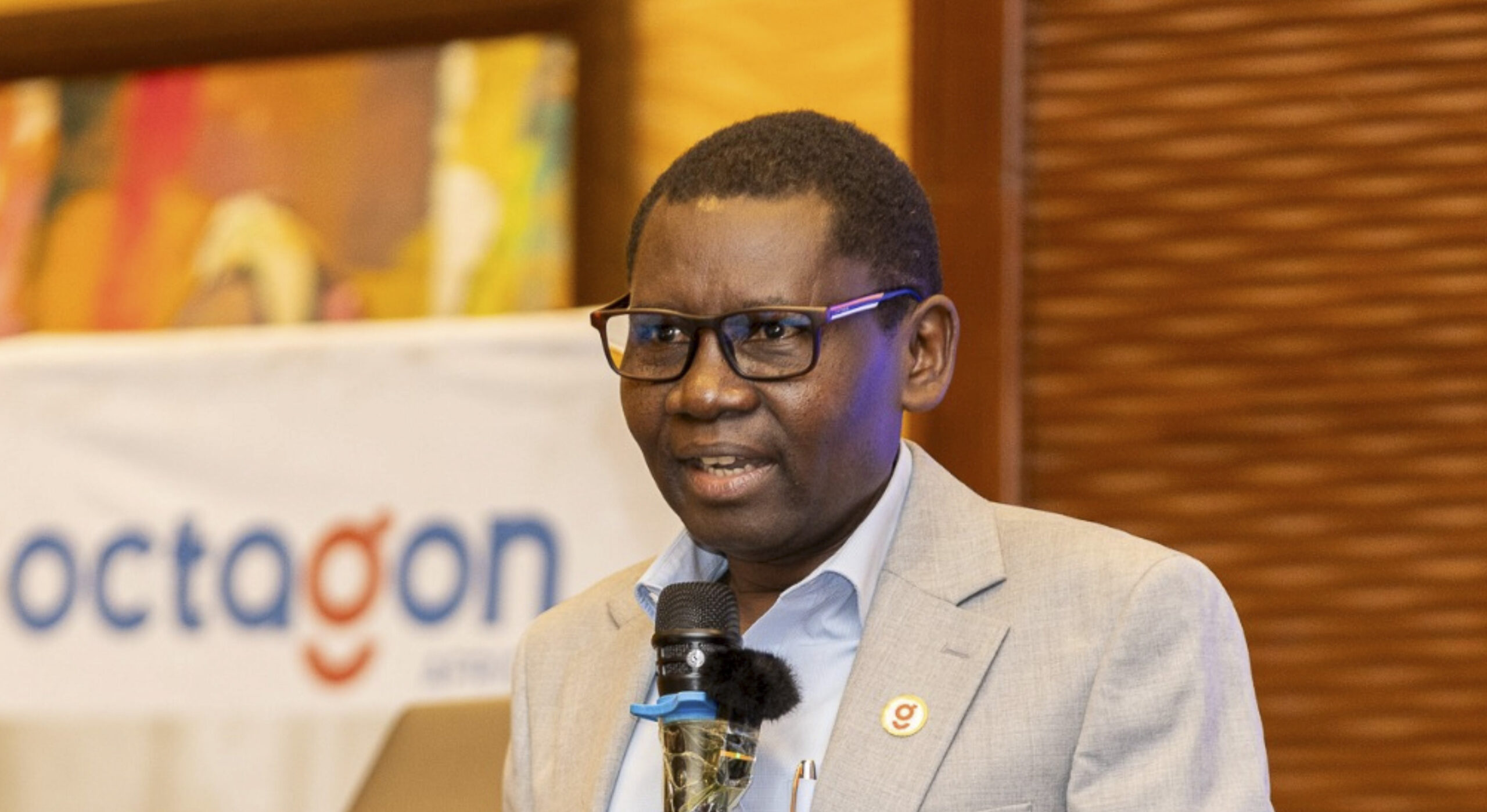
Octagon Africa’s Group CEO Fred Waswa, whose organisation helped to provide the local context, lauded the inaugural assessment of Kenya into the index, adding that it was an important opportunity for Kenya to take stock of our retirement systems.
“Kenya’s pension system continues to evolve, and the inclusion of the country into this index is an important benchmark to see where we stand and what needs to be done better. The findings give us an opportunity to have a more informed conversation about retirement adequacy, sustainability and the long-term financial security of Kenyans,” said Fred Waswa.
The Marsh CFA Institute Global Pension Index is the 18th edition of the Index, which has evolved from assessing 11 countries’ retirement income systems when it was first launched to 55 in 2026. The Index provides a comparative framework for examining retirement systems through adequacy, sustainability and integrity.
Kenya’s debut score of 53.1 places it below the Index average of 65.3 and in the same broad C-grade band as several other African and emerging-market systems (including South Africa at 50.4, Namibia at 57.5 and Botswana at 57.0). The standout feature is the wide gap between its B+ integrity score (76.0) and its D-grade adequacy score (38.9). This pattern is common in systems that have built reasonably solid regulatory and governance frameworks but have not yet translated those into broad, meaningful retirement incomes.
The integrity result is an asset. Stronger governance, regulation, member protection and communication can support greater member confidence and help attract voluntary contributions or institutional capital. However, the low adequacy score signals that current benefit levels and coverage remain insufficient for most people.
With a large informal sector and relatively limited occupational pension participation outside the formal economy, many workers still lack meaningful retirement savings. The modest rise in life expectancy at age 65 (+2.9 years since 1950) and Kenya’s relatively high fertility rate (3.2) mean the demographic pressure is less acute than in many developed markets today, but longer retirements will still require higher contribution rates and better preservation of savings over time.
Industry and policy priorities that align with the Index’s broader call to action include expanding coverage to self-employed and informal workers (through auto-enrolment or simplified products), raising contribution rates where feasible, reducing early leakage of retirement savings, and strengthening the basic safety-net pension.
Kenya is well positioned to focus on these adequacy and coverage measures without first having to rebuild trust in the system’s oversight. Progress on these fronts would lift the overall score and, more importantly, improve long-term financial security for Kenyan retirees.
ALSO READ: Kenya Pension Funds Deliver Strong 2025 Returns as Equity Rally Lifts Retirement Savings