



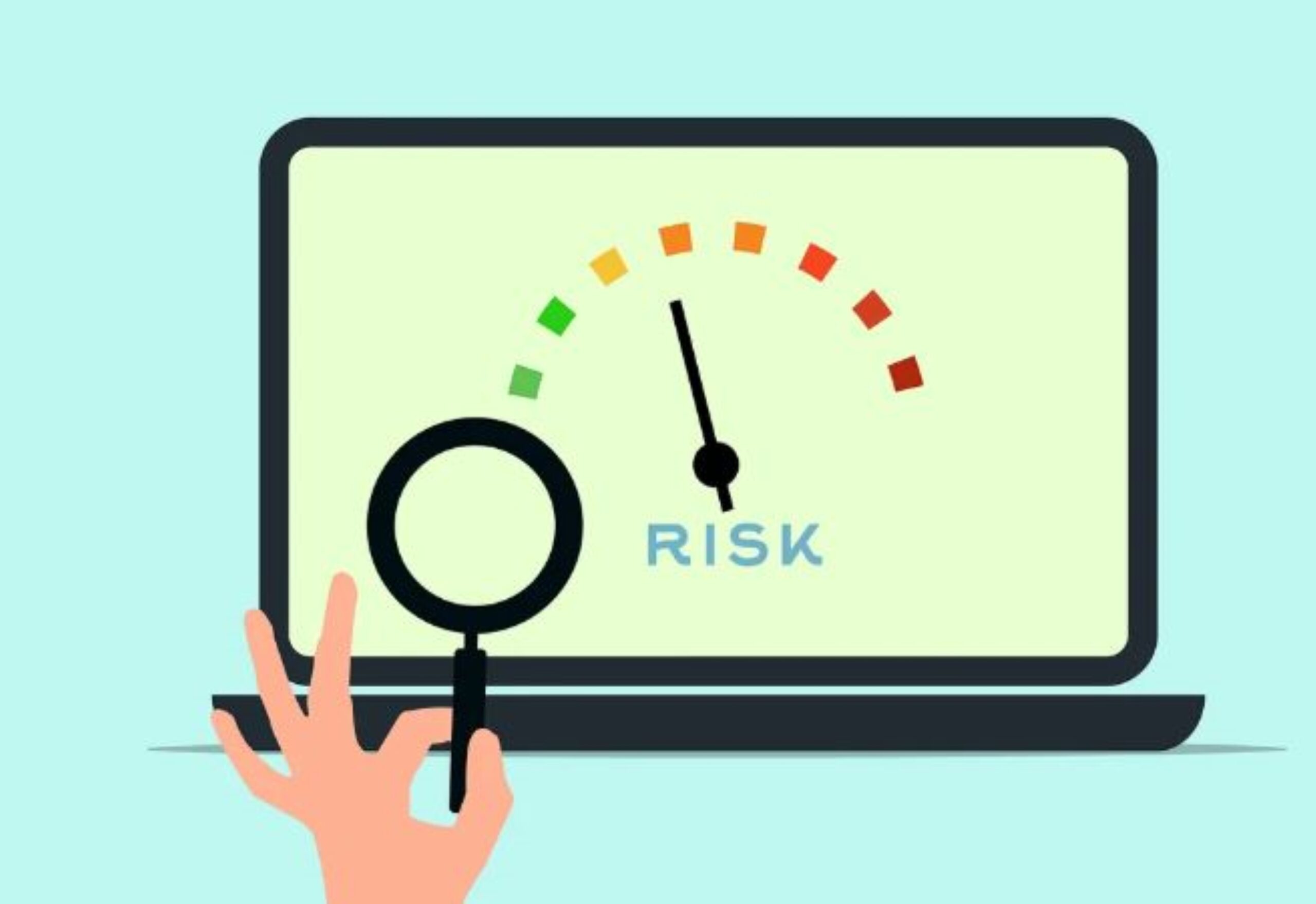
The volatility in global financial markets remains a key concern to both businesses and governments as the operating environment becomes more uncertain than ever. The current business operating environment is defined by unpredictability. Interest rates, inflation, foreign exchange rate, supply chain disruptions, shift on trade policies are not just abstract terms but daily realities that determine how easily businesses can either thrive or fail, access to credit, protect their operating margins and plan for future growth.
In an operating environment where volatility has become the norm rather than the exception, businesses that will thrive are those that learn how to work with uncertainty instead of resisting it. Financial risk is not something that can be eliminated, but rather a force that must be understood, priced, managed and mitigated.


The starting point is adopting a proactive mindset. For starters, geopolitical risks from the U.S. and Iran tensions to the Russia-Ukraine conflict, form a key consideration for business strategy, reshaping supply chains, regulatory compliance and market access globally. Further, supply chain disruptions have resulted in changes in commodity prices and, sometimes, inaccessibility of inputs if a business relies on one source. The ramification of such disruptions is felt in commodity prices, scarcity in some commodities may leads to higher prices which is inflationary and can cause interest rates to rise. In addition, exchange rates volatility adds to what corporate leaders must monitor closely as they make strategic and daily tactical business decisions.
From the policy side, governments through monetary policy decisions by Central Banks both locally and abroad meant to manage the evolving challenges and maintain price stability, acceptable level of employment and economic growth then set another dimension of uncertainty as policymakers raise or cut rates in response to these shocks. The recent interest rate hikes by central banks in the developed economies to fight inflation, some after a long time reminds us of sudden changes in funding costs.
Rather than waiting passively for Central Bank’s Policy announcements, business executives should predict likely outcomes and embed the same into their planning. The best way is to carry out scenario analysis as part of their risk management process to chart a proactive approach to manage their businesses.
Treasury teams in banks monitor such trends on daily basis and work with clients to model likely impact of global market trends to the general economy and specifically to their sectors to enhance bets for businesses success. For instance, if the local currency was to weaken sharply against other major currencies or borrowing costs moved higher, the impact is never uniform across business sectors. Importers, exporters, cash-rich companies, and highly leveraged firms all react differently to the same market move. The inverse is also true.
Once these exposures are mapped out, the focus shifts from diagnosis to proactive actions. For instance, on exchange rate movements, they can use hedging instruments such as forward contracts and options, allowing businesses to lock in exchange rates that helps the business protect margins when the currency pairs in their areas of business changes in value. The aim is not to speculate, but to ensure that sudden swings do not erode profitability or competitiveness.
Treasury-Led Risk Management For Businesses
On the interest rates side, a business can look closely at the structure of its funding and cash flow positions. For a business that is embarking on long-term projects, it may opt for a blend of fixed and floating-rate borrowing, or by deploying interest rate swaps to cap its exposure to rising rates. Equally, those sitting on surplus liquidity can benefit from higher interest rates through improved yields for their investments.
Thus, business executives who have a clear, forward-looking view of their cash needs and surpluses are far better placed to decide when to borrow, what tenors to choose, and how aggressive to hedge. That discipline, combined with a close reading of the Central Bank’s guidance after their policy meetings and global macro trends, can turn a seemingly hostile environment into one rich with strategic options.
A treasury function is more than a back-office function crunching numbers as it sits at the centre of the financial ecosystem, managing the bank’s liquidity, investments and balance sheet risk. It also acts as a strategic adviser to businesses navigating an increasingly volatile environment. The division crafts risk management strategies using hedging tools and acts as an advisor so that businesses can improve predictability in their business margins, effectiveness and thus growth.
As a business executive, it is good to keep a close eye on the direction of interest rates, the strength of the local currency and the pace of economic growth across key sectors. When these signals are properly interpreted, they lead to sound decisions on investment, expansion and risk.
Given KCB’s understanding of multiple markets where it operates, the Treasury division is not just managing risk at home but guiding businesses as they follow opportunities within the region that includes areas such as infrastructure, energy, agriculture, food processing, among other sectors across borders. As a result, Treasury has become a co-pilot for many businesses assisting them to monitor markets, anticipate shocks and help them make more informed decisions for favourable business outcome.
The winners will be businesses that plan for disruption, adopt risk management tools, hedges against volatility and embrace new technologies to enhance their decisions.
The writer is the Treasury Division Director at KCB Bank Kenya
ALSO READ: CBK Unveils New Rules for Kenyan Banks